In the modern data center, space is the most expensive commodity. As AI workloads, high-density computing, and massive fiber counts become the norm, operators are facing a silent but critical infrastructure crisis: Cable Congestion.
When underground ducts and overhead pathways reach their physical limits, the traditional solution—digging new trenches or installing more rigid conduits—is often too slow, too costly, or physically impossible. Today, forward-thinking engineers are turning to a flexible alternative: Fabric Innerduct.
The Hidden Cost of “Cable Chaos”
Cable congestion isn’t just an organizational headache; it’s a direct threat to operational efficiency.
- Stranded Capacity: Traditional rigid PVC or HDPE innerducts are round and rigid. When you place a round cable inside a round pipe, you lose up to 60% of the internal area to “dead space.”
- Thermal Management: Overstuffed pathways block airflow, forcing cooling systems to work harder and driving up PUE (Power Usage Effectiveness).
- Deployment Delays: When a conduit is “full,” adding a single new fiber link can require a complete infrastructure overhaul, leading to weeks of downtime.
A New Perspective: What is Fabric Innerduct?
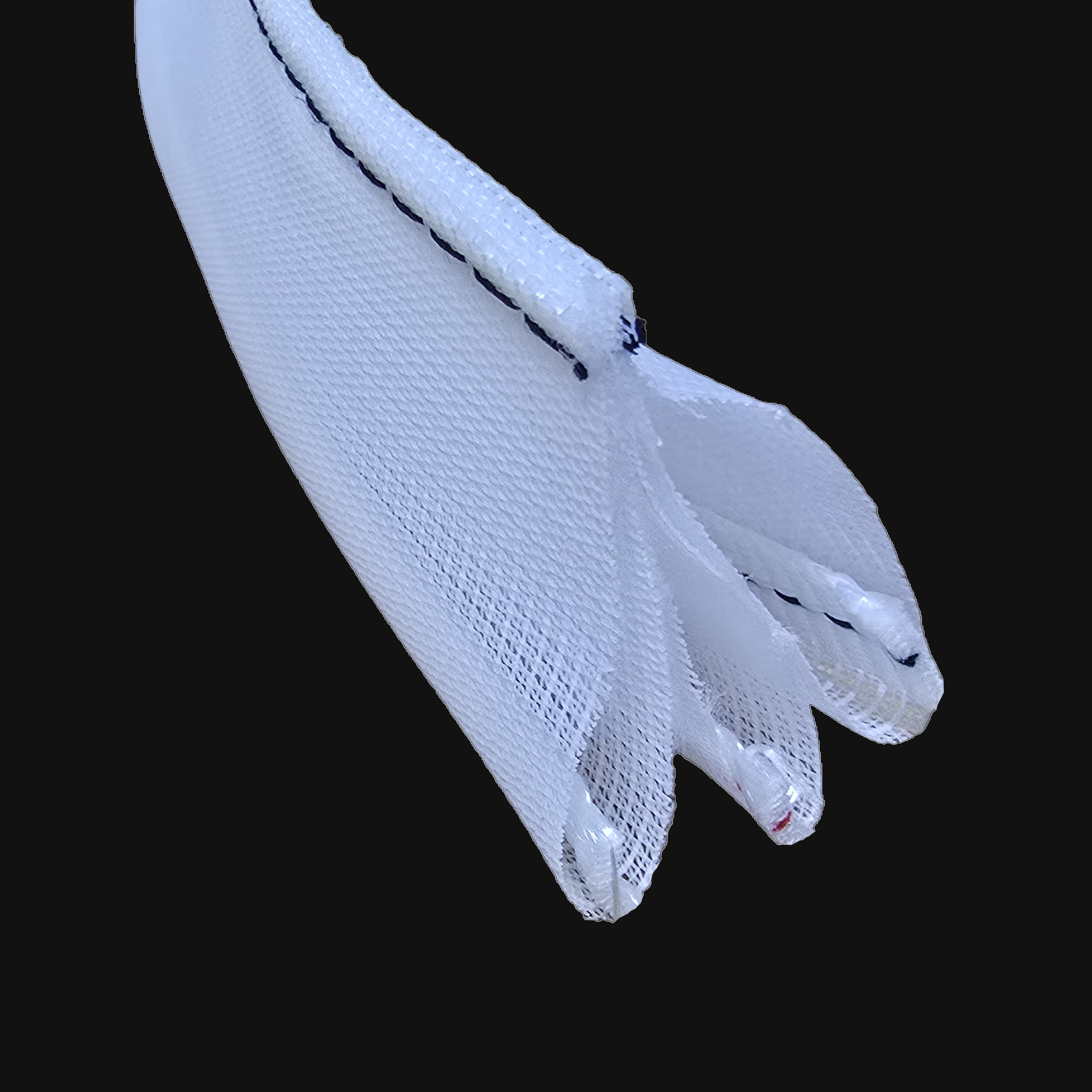
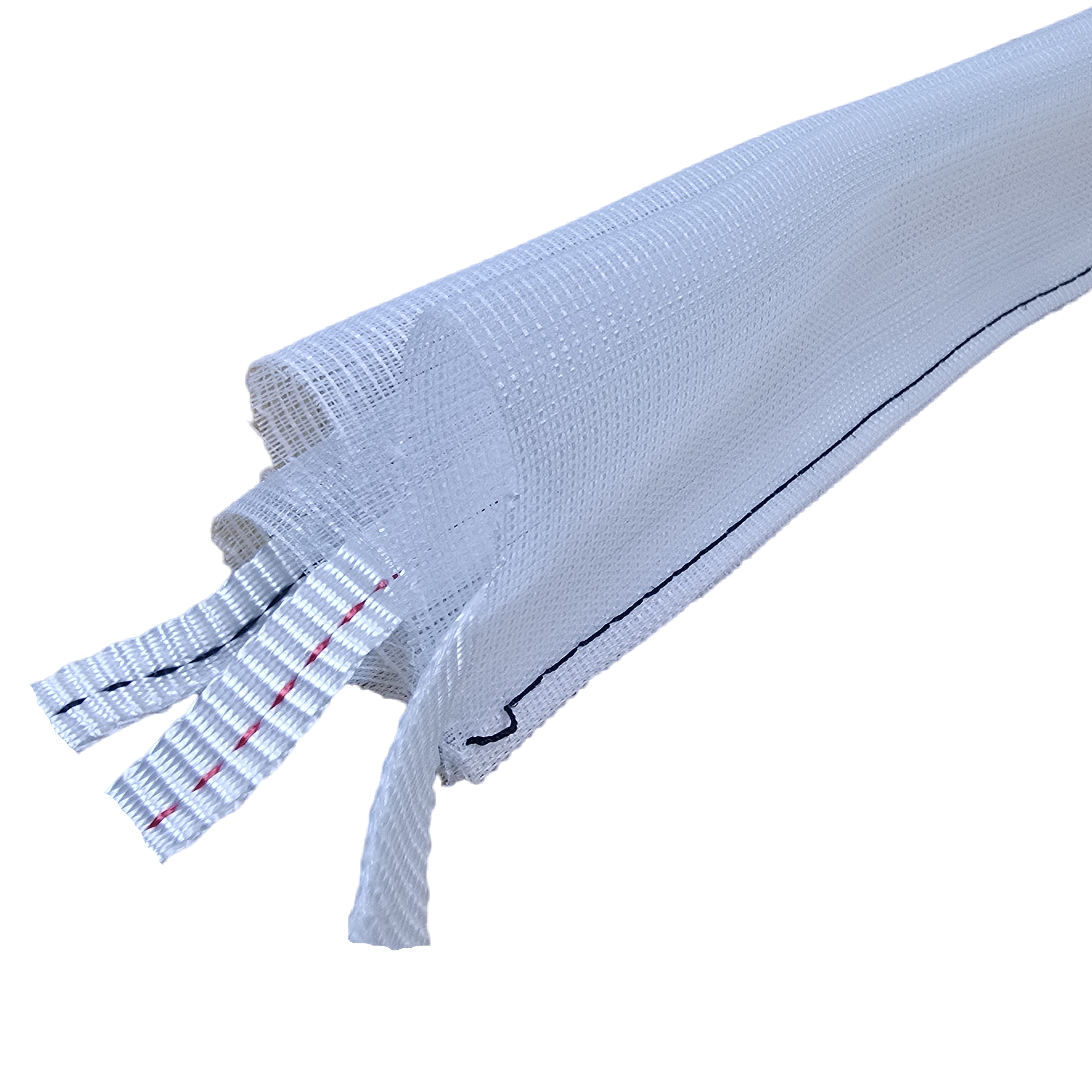
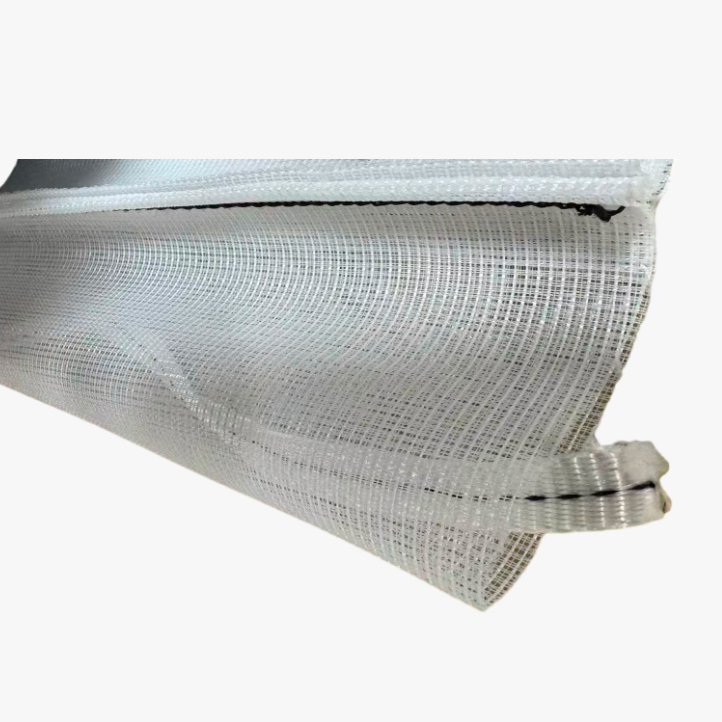
Unlike traditional rigid piping, Fabric Innerduct is a flexible, multi-celled textile sleeve made of high-tenacity polyester and nylon. Instead of one large open pipe, the fabric creates separate, lubricated pockets within a single conduit.
Because the fabric conforms to the shape of the cables, it eliminates the wasted space inherent in rigid materials. Think of it as switching from storing items in stiff boxes to storing them in flexible vacuum-seal bags—you can fit significantly more in the same footprint.
The Comparison: Rigid vs. Fabric
To help you make the best choice for your facility, let’s compare the traditional approach with the new fabric standard:
1. Space Utilization
- Traditional (Rigid): Typically allows for only one or two large cables per duct. Once a cable is pulled, the remaining space is often “stranded” because the friction of adding another cable risks damaging the existing ones.
- Fabric Innerduct: Can triple the capacity of a single 3-inch or 4-inch conduit. By installing a 3-pack fabric innerduct, you can pull three separate cables into a space that previously only held one.
2. Installation Speed and Cost
- Traditional: Requires heavy machinery for trenching or long hours of manual labor to pull through rigid sleeves.
- Fabric Innerduct: It is incredibly lightweight and features integrated pull tapes. It reduces “pull tension” by up to 50%, meaning longer runs can be installed in one go without the need for intermediate manholes or splice points.
3. Future-Proofing (The “Day 2” Factor)
- Traditional: If a cable fails or needs an upgrade, the “corkscrew” effect of cables tangling inside a rigid pipe makes removal a nightmare.
- Fabric Innerduct: Each cable lives in its own dedicated fabric cell. This prevents wrapping and allows for easy “over-pulls”—adding or replacing a cable months or years later without disturbing the live traffic in adjacent cells.
Why We Recommend Fabric Innerduct for Your Next Expansion
For our customers managing Tier III and Tier IV facilities, the choice is becoming clear. We recommend moving away from rigid innerducts for three primary reasons:
A. Density Without the Dig
If your current underground conduits are 80% full, don’t break ground for new ones. By pulling a fabric innerduct through the existing “wasted” space in those pipes, you can create new pathways instantly.
B. Reduced Carbon Footprint
Fabric innerducts are manufactured with less energy and require fewer truckloads to transport compared to massive reels of HDPE pipe. It’s a win for your ESG (Environmental, Social, and Governance) goals.
C. Faster ROI
While the material cost of high-quality fabric may differ from basic PVC, the Total Cost of Ownership (TCO) is significantly lower. You save on labor hours, equipment rentals, and, most importantly, you get your network up and running weeks faster.
Conclusion: Don’t Let Your Infrastructure Limit Your Growth
The data center of tomorrow cannot be built on the rigid constraints of yesterday. Cable congestion is a symptom of outdated thinking. By adopting Fabric Innerduct solutions, you reclaim your stranded space, protect your fiber investments, and build a modular infrastructure that can grow as fast as your data demands.
The choice is yours: Continue fighting the “cable jungle” in rigid pipes, or embrace the flexibility of fabric.
How to Proceed?
To provide a more tailored ROI analysis, could you share the current diameter of your main conduits and the approximate fiber count you plan to add in the next 18 months?