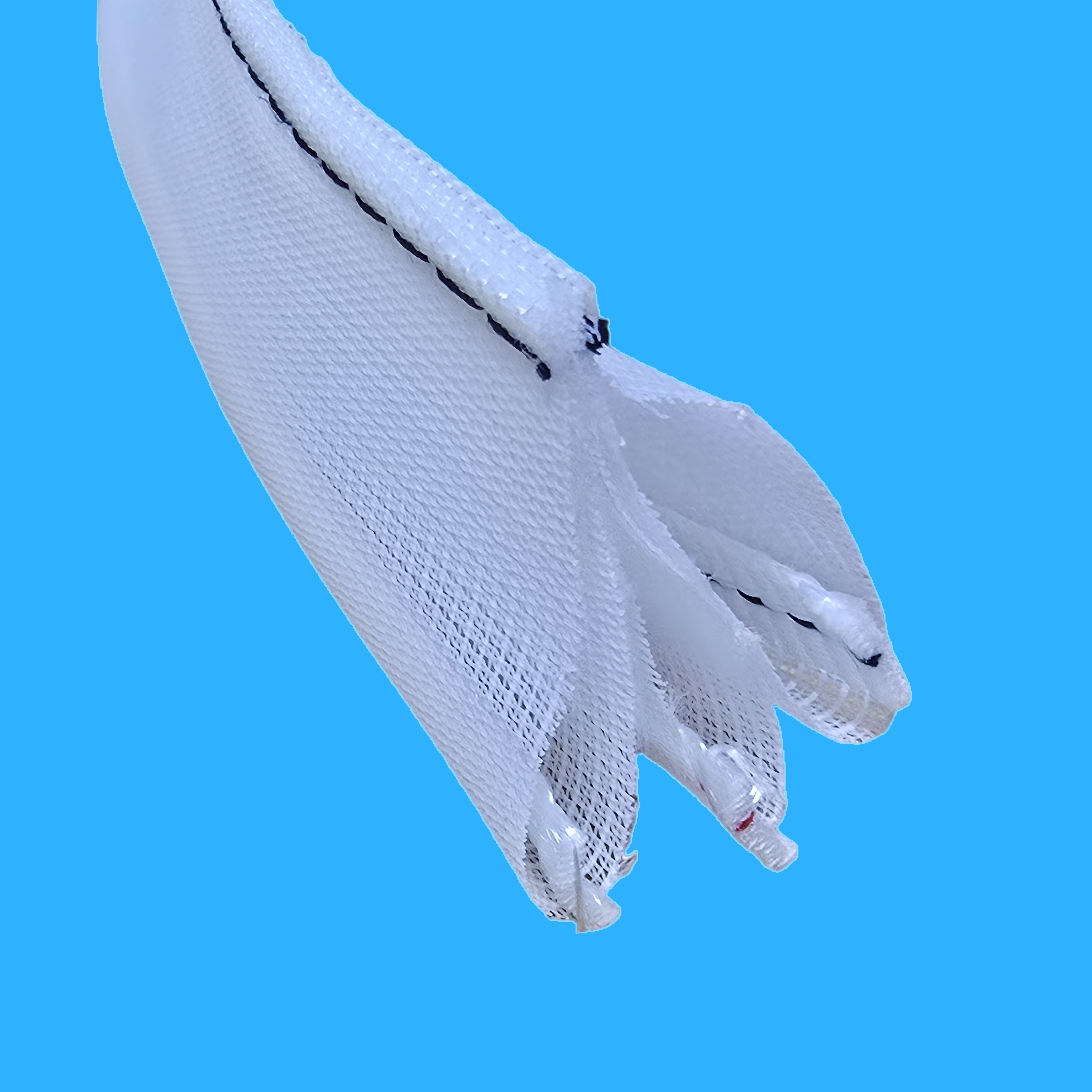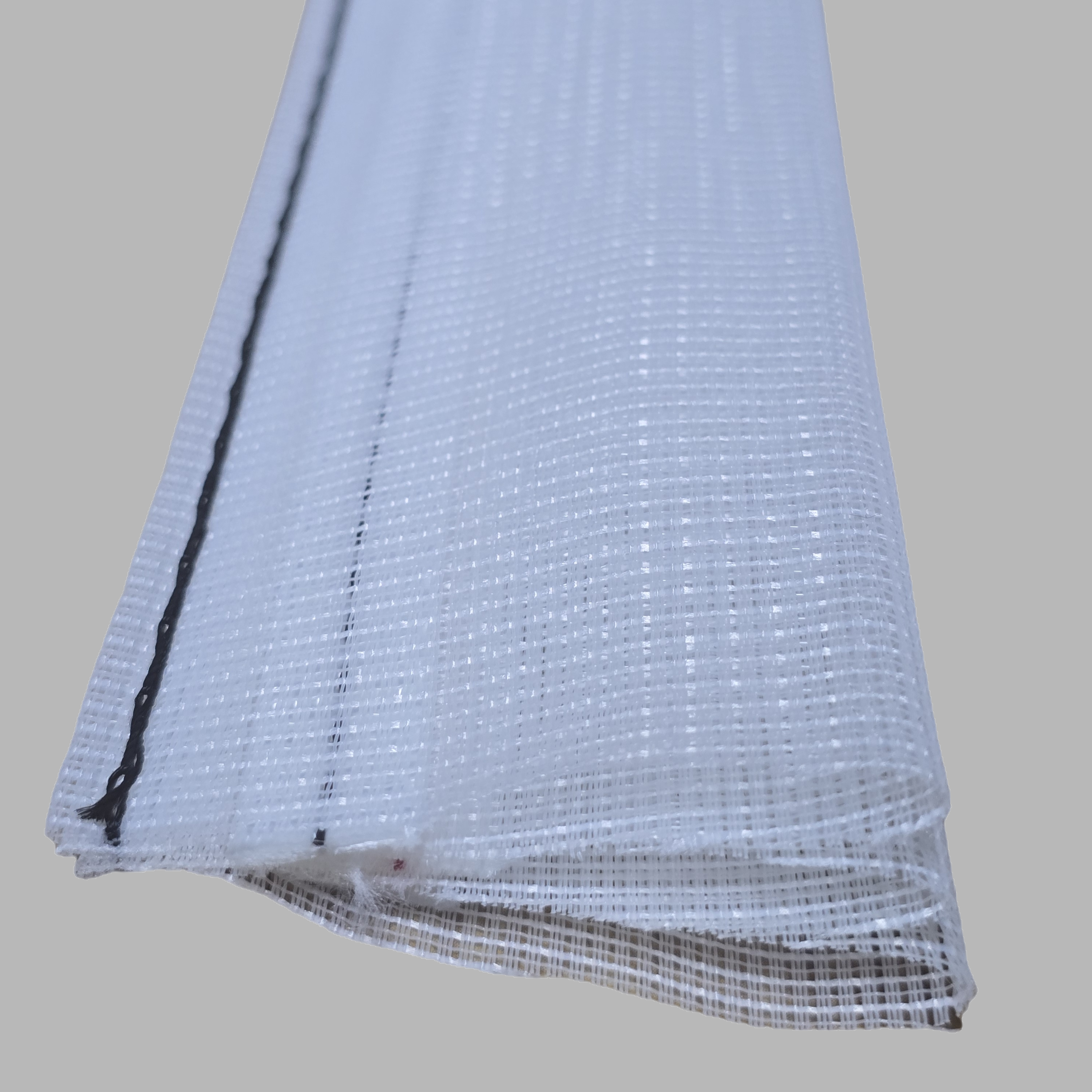
For an existing 2” SDR13 conduit (Internal Diameter ≈ 1.917”) already occupied by a 0.822” (144-fiber) cable, your physical clearance is extremely tight. A traditional rigid innerduct cannot bypass an existing cable of this size.
The Recommendation: 2” 2-Cell Fabric Innerduct
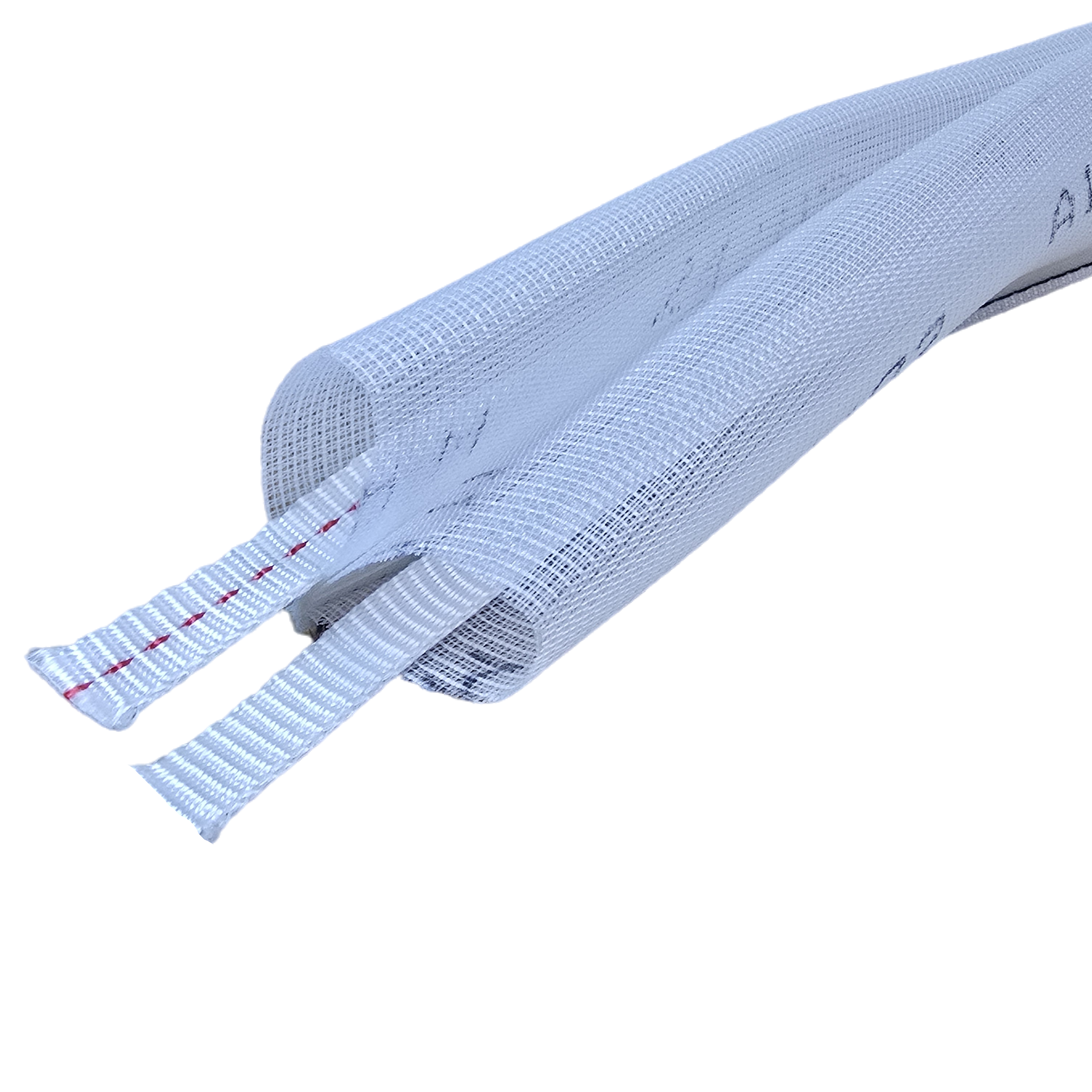
To maximize the remaining “crescent” of space in your conduit, I recommend a 2-inch, 2-cell fabric innerduct. This solution is specifically engineered for “overlay” applications—installing new pathways over an existing live cable.
Why this fits your specific requirements:
- Flexible Geometry: Unlike a round rigid pipe, the fabric innerduct is a flexible textile. It “hugs” the existing 0.822” cable and expands only into the empty gaps, allowing it to slide into a conduit that would otherwise be considered “full.”
- Increased Capacity: A 2-cell configuration provides two dedicated, separate chambers. Each cell can typically accommodate a cable with a maximum diameter of up to 0.85”, meaning you could theoretically add two more 144-fiber cables into the same 2” pipe.
- Low Friction Overlay: The fabric is designed with a low-friction internal weave and integrated pull tapes. This is critical for preventing “burn-through” or jacket damage to your existing fiber during the pull.
Comparison: Rigid vs. Fabric for 2″ SDR13 Overlays
| Feature | 1″ Rigid HDPE Innerduct | 2″ 2-Cell Fabric Innerduct |
|---|---|---|
| Physical Fit | Impossible. Rigid pipes cannot bend around the 0.822″ cable. | Optimal. Conforms to the existing cable’s shape. |
| New Pathways | 0 (New construction required) | 2 New dedicated cells. |
| Installation Risk | High (High risk of jamming) | Low (Lubricated textile reduces drag). |
| Max New Cable Size | N/A | Up to 0.85″ per cell. |
Installation Strategy for Your Site:
- The “Swivel” Rule: Use a ball-bearing swivel between your pull rope and the fabric innerduct. This prevents the fabric from twisting or “corkscrewing” around the existing 144-fiber cable as it moves through the 2″ conduit.
- Supplemental Lubrication: While these fabric innerducts often come pre-lubricated, we recommend a high-performance, water-based lubricant for any overlay pull to ensure the existing cable jacket remains protected.
- Tension Monitoring: Ensure the existing 0.822″ cable is properly anchored at both ends so the friction of the new pull doesn’t cause it to “creep” or shift.
Do you have the Outside Diameter (OD) of the new cables you intend to pull? I can run a final fill-ratio calculation to ensure your total volume remains within safe operational limits.