In the world of network infrastructure, the Riser (the vertical shaft that connects different floors of a data center or commercial building) is the central nervous system. However, as 5G, AI-driven cloud computing, and IoT demand higher fiber counts, these vertical pathways are becoming dangerously congested.
When a riser reaches its physical limit, the “bottleneck” becomes literal. Traditional methods of vertical cabling are failing to keep pace with modern density requirements. In this post, we will explore the evolution of riser management and why Fabric Innerduct is the breakthrough solution for the next generation of connectivity.
The Traditional Riser: A History of Crowded Shafts
For decades, organizing fiber in a riser relied on two main philosophies. While they served us well in the era of lower bandwidth, they are now becoming liabilities.
1. The “Loose-Hung” or Velcro Bundle Method
Early on, installers simply dropped fiber cables down the riser, securing them to a ladder rack or “J-hooks” with Velcro or cable ties every few feet.
- The Problem: Over time, the weight of the cables creates vertical tension. Gravity pulls on the glass fibers, leading to micro-bends and signal attenuation. Furthermore, as more cables are added, they become a tangled “bird’s nest,” making it nearly impossible to trace or remove a single line without risking a service outage for others.
2. Rigid Conduit & HDPE Innerduct
To protect fiber from tension and physical damage, many engineers moved toward installing rigid PVC pipes or HDPE (High-Density Polyethylene) innerducts within the riser.
- The Problem: The “Round-in-Round” Dilemma. Rigid innerducts are circular. When you put several small round pipes inside a large round riser, you create massive amounts of stranded space—empty gaps between the pipes that can never be used. Once you have three or four rigid innerducts in a 4-inch riser, the pathway is “full,” even though 60% of the interior volume is just air.
The New Frontier: Solving Congestion with Fabric Innerduct
Enter Fabric Innerduct (often referred to by the industry-leading brand MaxCell). This technology represents a paradigm shift from “protecting cables with rigid walls” to “organizing cables with flexible cells.”
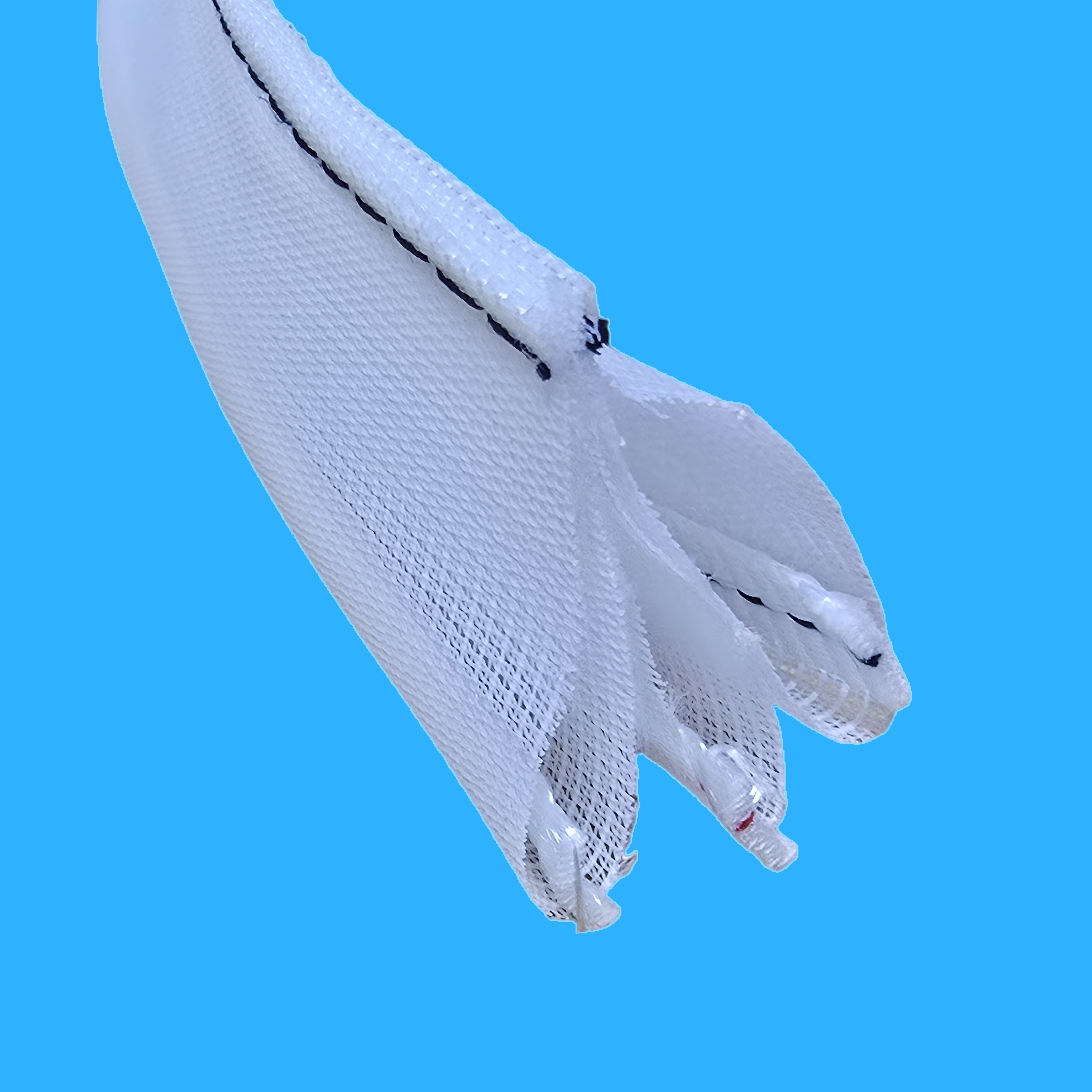
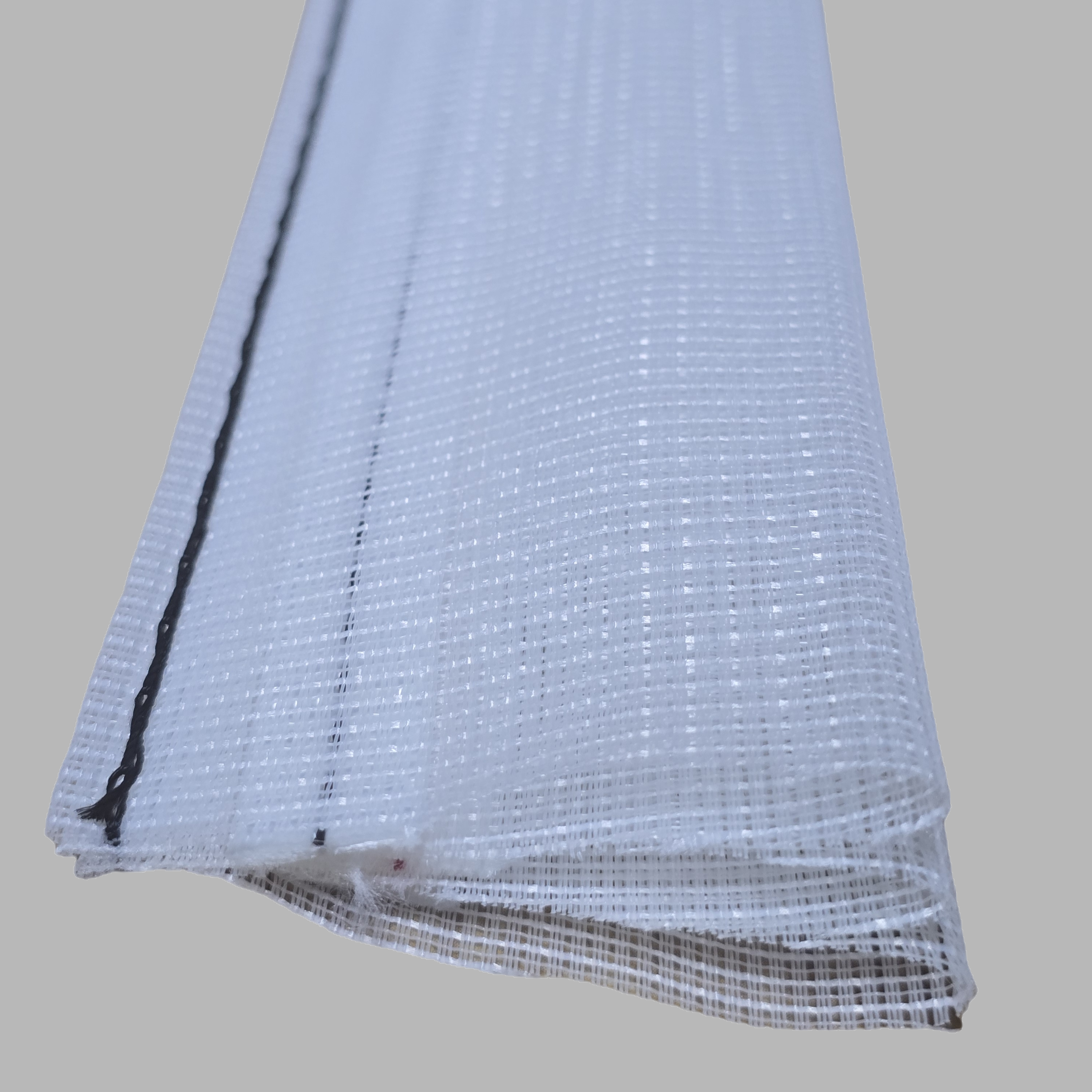
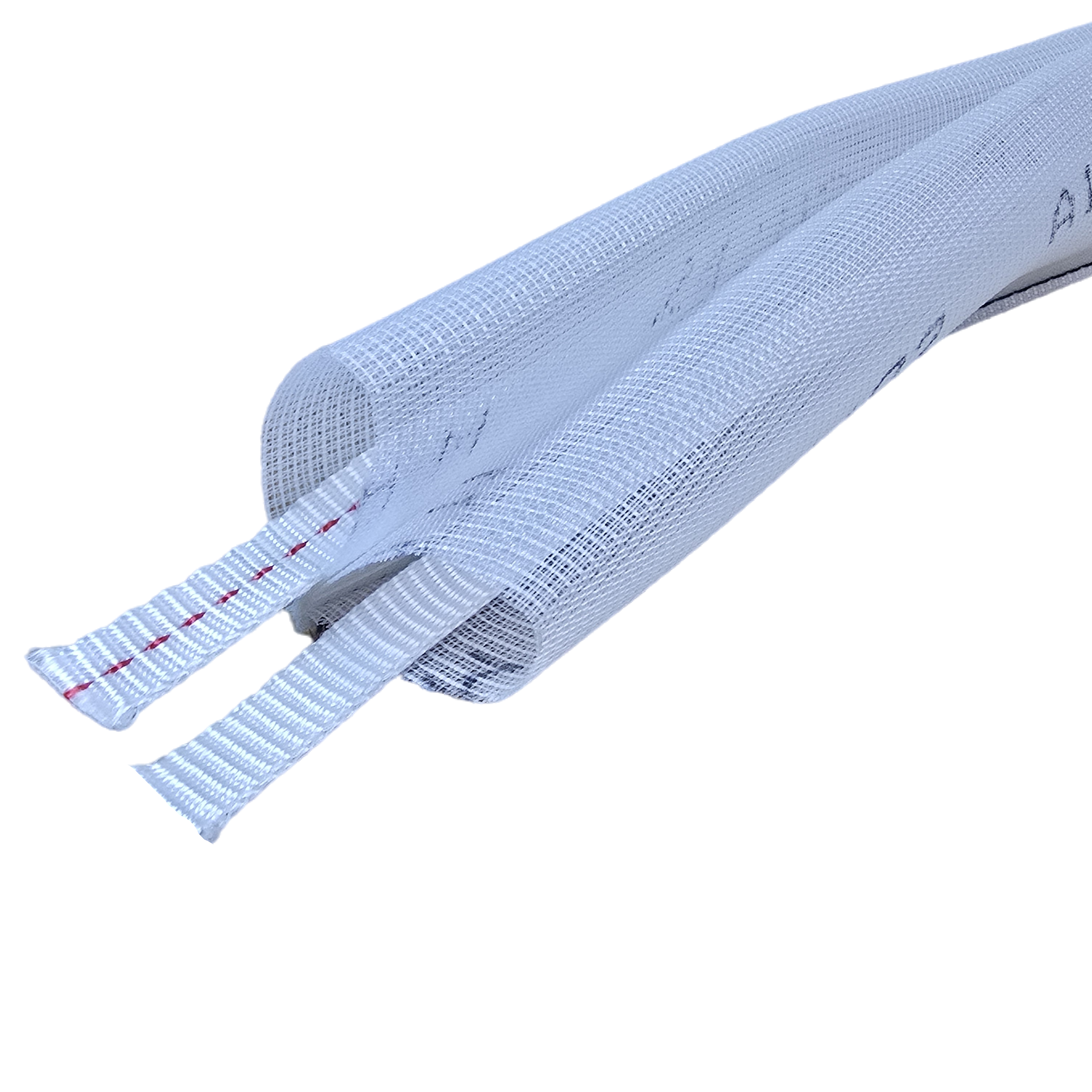
Fabric innerduct is a multi-celled sleeve made of high-tenacity, low-friction synthetic yarns. Instead of a stiff pipe, it is a flexible “curtain” that divides a single conduit or riser path into three or more distinct channels.
How it Works in the Riser
Unlike rigid HDPE, fabric innerduct conforms to the shape of the cables being pulled through it. When empty, it lays flat. As cables are installed, the fabric expands only as much as necessary. This allows you to stack dozens of cables in a space that would previously only hold a handful.
Why Fabric Innerduct is the Best Choice for Vertical Risers
If you are currently planning a data center expansion or a multi-story fiber build-out, here is how the fabric solution compares to the old ways:
1. Triple Your Capacity (Literally)
Because fabric eliminates the “dead space” found between rigid pipes, you can typically fit three times more cables in the same riser footprint. For a facility where drilling new holes through concrete floors (core drilling) is expensive or structurally prohibited, fabric innerduct is the only way to scale.
2. Gravity-Defying Tension Management
In a vertical riser, the biggest enemy is friction and weight. Fabric innerducts are designed with integrated, factory-installed pull tapes and specialized lubricants. The fabric’s surface reduces pulling tension by up to 50%. This ensures that long vertical pulls don’t stress the fiber cores, maintaining the integrity of your 400G or 800G links.
3. “Over-Pulling” Without the Risk
In the old “loose bundle” method, pulling a new cable over an existing one often leads to cable wrapping (where the new cable corkscrews around the old ones). This creates a knot that can never be undone.
With fabric innerduct, each cable is housed in its own protected cell. You can pull a new fiber into “Cell B” without ever touching or friction-burning the live fiber in “Cell A.”
4. Fire Safety and Compliance
Modern fabric innerducts are available in Plenum-rated and Riser-rated versions. They meet UL standards for smoke and flame spread, ensuring that your high-density solution doesn’t compromise the fire safety of the building’s vertical shaft.
Comparative Analysis: At a Glance
| Feature | Rigid HDPE Innerduct | Loose Bundling | Fabric Innerduct |
|---|---|---|---|
| Space Efficiency | Low (High wasted space) | Medium (Tangles easily) | Ultra-High |
| Scalability | Hard (Must add new pipes) | Risky (Tension issues) | Easy (Add cells) |
| Fiber Protection | High (Physical wall) | Low (Exposed) | High (Separated cells) |
| Installation Speed | Slow/Heavy | Moderate | Fast (Lightweight) |
| Future-Proofing | Poor | Poor | Excellent |
The ROI: Is It Worth the Switch?
When comparing costs, many procurement officers look at the “price per foot” of the material. While fabric may have a different price point than basic PVC, the Total Cost of Ownership (TCO) is significantly lower:
- Avoided Construction: Avoiding a single “core drill” through a concrete floor can save thousands of dollars.
- Labor Savings: Faster pulls mean fewer man-hours on-site.
- Reduced Downtime: The ability to add capacity without disturbing existing “live” fibers prevents costly accidental outages.
Conclusion: A Flexible Future
The era of “set it and forget it” rigid cabling is over. As data centers move toward ultra-high-density fiber (like 3456-count ribbon cables), the infrastructure supporting those cables must be just as evolved.
Fabric innerduct isn’t just a different material; it’s a strategic advantage. It turns your riser from a congested bottleneck into a fluid, scalable highway.
Ready to Reclaim Your Riser Space?
We specialize in helping data centers transition from legacy rigid systems to high-efficiency fabric solutions. To help us provide the most accurate recommendation for your facility, we need to look at your current “fill ratio.”
How many empty conduits or riser paths do you currently have available, and what is your projected fiber growth for the next 3 years?