In the complex world of urban infrastructure, “space” is a luxury that few can afford. As cities become denser, the segregation between high-voltage power lines and sensitive communication fibers is shrinking. The Joint-Use Trench—where electrical utilities and telecommunications coexist in close proximity—has become an industry standard.
For Operations Managers and Safety Officers, this coexistence brings a high-stakes challenge: Electrical Safety. When installing new pathways in a duct bank that houses live power cables, the risk of induction, arcing, or accidental contact is a constant concern.
This is where the material science of Fabric Innerduct (MaxCell) provides a critical safety layer that traditional metallic or even some composite conduits cannot match. In this post, we explore the dielectric properties of fabric innerduct and why it is the safest choice for energized environments.
The Invisible Threat: Why Material Choice Matters
In a shared utility environment, the primary electrical risks during construction and maintenance include:
- Inductive Coupling: High-voltage AC lines can induce currents into nearby conductive materials.
- Fault Current Path: If a power cable fails, it seeks the path of least resistance. Conductive or semi-conductive conduits can inadvertently carry this fault into a telecommunications manhole.
- Mechanical Damage during Pulling: Rigid pipes can be abrasive. If a pipe splinter or a metallic pull-tape scrapes an energized line, the results can be catastrophic.
1. Total Dielectric Integrity
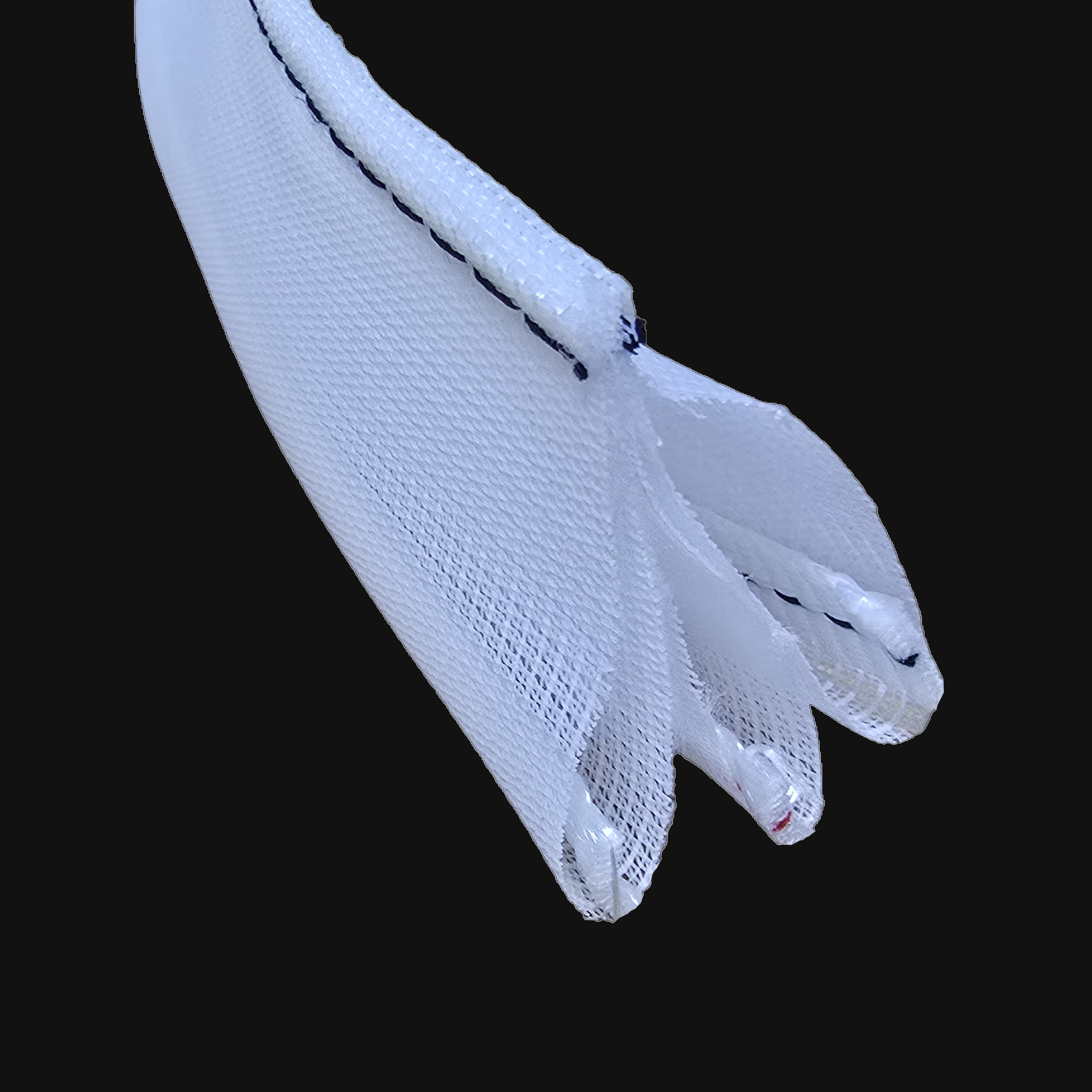
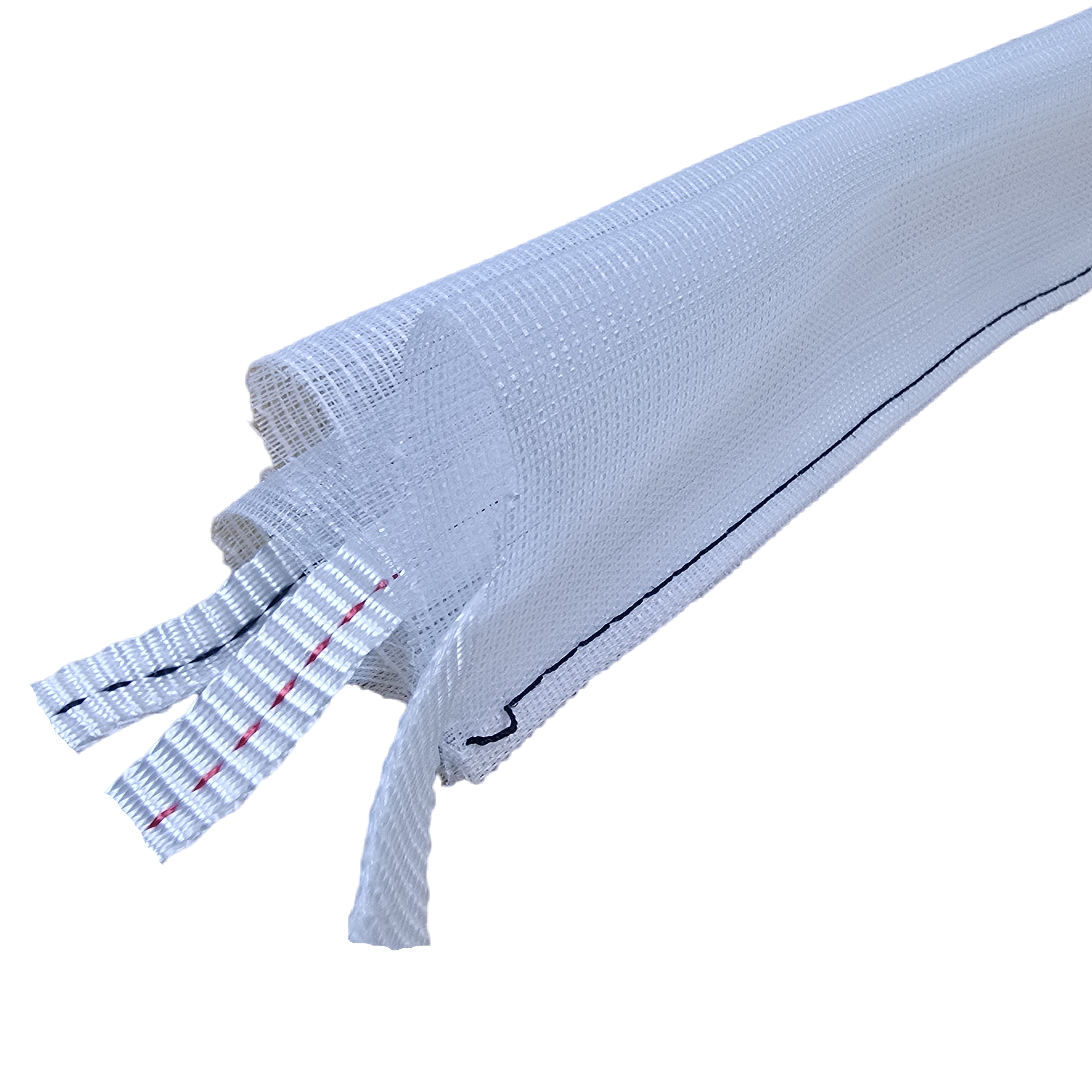
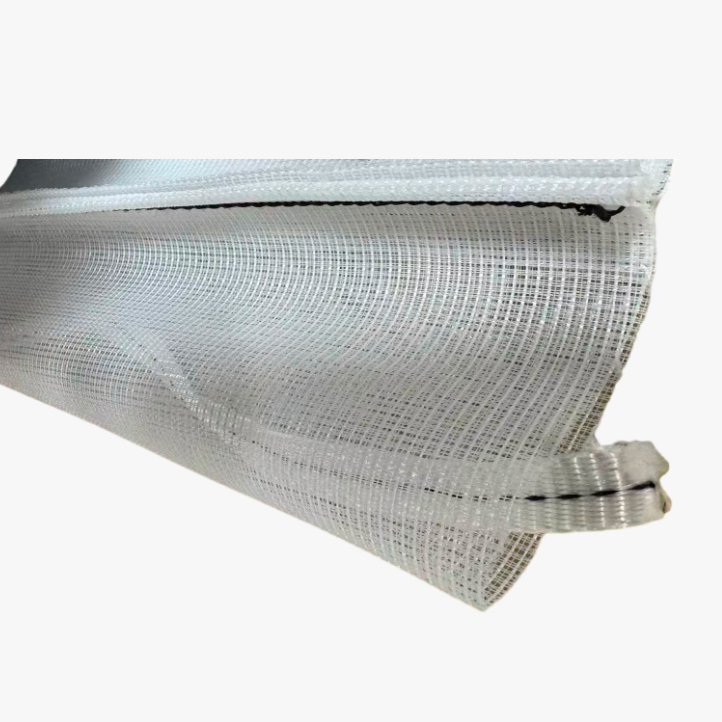
Unlike legacy solutions that might use metallic shielding or carbon-black reinforced plastics that can have trace conductivity, fabric innerduct is constructed from high-tenacity, 100% virgin polyester and nylon yarns.
These materials are inherently non-conductive (dielectric). In a joint-use environment, using a completely non-metallic pathway ensures that the innerduct itself will never become a carrier for stray voltage or induced currents. This “electrical transparency” is vital for protecting the technicians who handle the cables at the termination points.
2. Eliminating the “Lightning Rod” Effect with Non-Metallic Pull Tapes
One of the most dangerous components of traditional duct installation is the pull tape. Many heavy-duty pull tapes use metallic strands for strength. In a “live” duct bank, these act like long-distance fuses.
Fabric innerducts come pre-installed with internal pull tapes made of the same dielectric polyester fibers. This ensures that from the moment you begin the pull to the moment the fiber is seated, there is zero metal introduced into the environment. Even if the duct is flooded with brackish water (which is conductive), the fabric system does not provide a low-resistance path for fault currents.
3. Thermal Resistance and Arcing Protection
A common concern for Operations Managers is a “Hot Spot” or a localized electrical arc from a failing power cable. Rigid PVC pipes have a relatively low melting point and can deform or even ignite when exposed to an arc flash.
Fabric innerduct is engineered to withstand significant thermal stress. While it is not a “firewall,” its woven structure provides a unique benefit: Heat Dissipation. Unlike solid-wall pipes that trap heat, the breathable nature of the fabric allows for better thermal management. Furthermore, high-quality fabric innerducts are treated with halogen-free flame retardants, ensuring that in the event of an electrical fire, the innerduct will not contribute to toxic smoke density or rapid flame spread.
Safety During the “Overload” Process
The most dangerous time in a joint-use trench is during a new installation. When a crew is “overriding” an existing duct that contains both power and data, the mechanical friction can be intense.
- Low Abrasiveness: The soft, woven texture of fabric innerduct is significantly less abrasive than HDPE or PVC. If the innerduct rubs against a live power cable during the pull, it is far less likely to compromise the cable’s insulation jacket.
- Reduced Pulling Tension: Because fabric is lightweight and has a low coefficient of friction, the total force required to install it is lower. Lower tension means less “snap-back” risk and less vibration within the duct bank—vibration that can often trigger failures in aging, brittle power cable insulation.
Compliance and Peace of Mind
For the Operations Manager, safety is about compliance with standards (such as IEEE and OSHA) and risk mitigation. Using a certified dielectric fabric innerduct allows your team to:
- Simplify “Work Near Energized Lines” permits.
- Reduce the requirement for specialized grounding and bonding of the conduit system itself.
- Protect expensive optoelectronics at the end of the fiber link from surges traveling through the conduit path.
Trust SmartOSP for Your High-Stakes Deployments
At SmartOSP, we don’t just sell products; we provide engineered safety solutions for the most challenging environments on earth. We understand that in a joint-use trench, there is no room for error.
Our fabric innerduct solutions are tested to meet the rigorous demands of global telecommunications and power utility standards. We ensure that your network expansion is fast, efficient, and—most importantly—safe for your people.
Secure Your Infrastructure Today
Are you planning a fiber deployment in a congested utility corridor? Don’t leave your crew’s safety to chance with inferior materials.
Contact our technical safety team for:
- Dielectric Testing Data: Deep dives into the electrical insulation properties of our fabrics.
- Material Safety Data Sheets (MSDS): Detailed chemical and thermal performance specs.
- On-site Consultation: How to safely override existing power/data lines.
📧 Email us at: info@smartosp.com
🌐 Visit us at: www.smartosp.com
SmartOSP: High-Density Fiber Solutions. Zero-Compromise Safety.