Atlanta is one of the fastest-growing infrastructure hubs in the United States. From expanding data centers to smart commercial buildings and fiber network upgrades, electrical contractors across the region are under constant pressure to deliver faster, more efficient, and future-ready installations.
For sourcing managers, the challenge is clear: how to choose materials that reduce labor costs, improve installation efficiency, and support long-term scalability—without compromising quality or timelines.
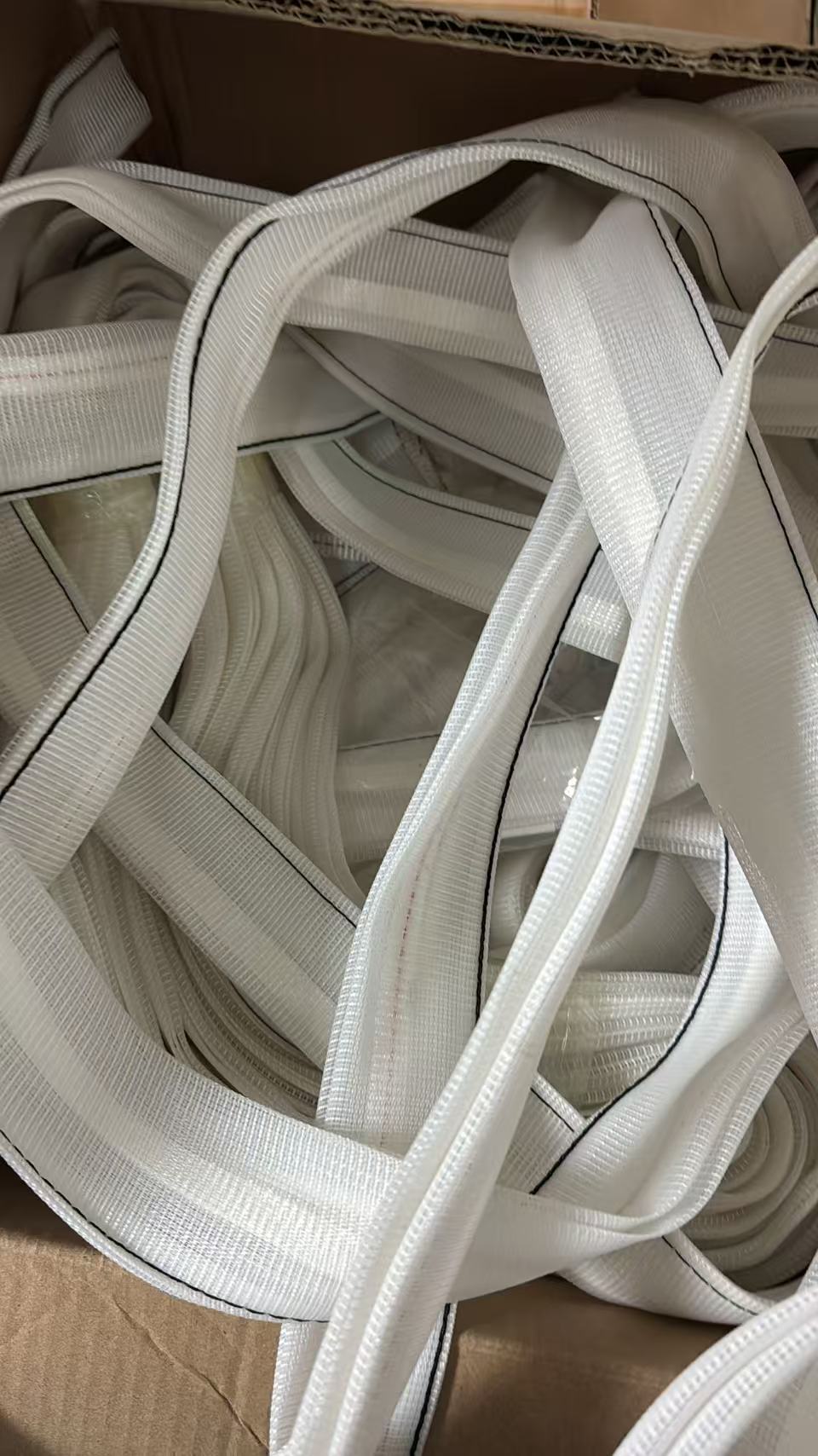
Fabric innerduct has become a preferred solution in many of these projects. In this guide, we break down exactly what you need to know—from why you should consider it, to cost factors, lead time, customization, and how to request samples.
Why Electrical Contractors in Atlanta Are Switching to Fabric Innerduct
Traditional conduit systems such as rigid HDPE or PVC ducts have been widely used for years. However, with increasing cable density and tighter project timelines, these systems are no longer always the most efficient option.
Fabric innerduct offers a more adaptable and contractor-friendly approach.
Key Drivers Behind the Shift
- High-density cable environments (data centers, telecom rooms)
- Faster project timelines across commercial builds
- Growing demand for fiber optic infrastructure
- Labor cost pressure in the Atlanta market
Fabric innerduct addresses all of these challenges directly.
Core Benefits for Contractors and Project Managers
1. Faster Installation = Lower Labor Cost
Fabric innerduct is lightweight and flexible, making it significantly easier to install compared to rigid conduit systems.
- No need for complex joining or heavy equipment
- Easier routing through existing ducts
- Reduced installation time per run
For sourcing managers, this translates into real cost savings at the project level, not just material cost.
2. Maximized Duct Space Utilization
Multi-cell fabric innerduct allows you to divide a single conduit into multiple organized pathways.
- 2-cell, 3-cell, 4-cell configurations available
- Better cable separation and management
- Increased capacity without additional conduit
This is especially important in retrofit projects across Atlanta, where existing duct space is limited.
3. Improved Cable Protection and Performance
Fabric innerduct is designed to reduce friction and protect cables during installation and operation.
- Smoother cable pulling
- Reduced risk of cable damage
- Better long-term reliability
This is critical for fiber optic installations, where cable integrity directly impacts network performance.
4. Future-Proofing Your Projects
With structured pathways already in place:
- Adding new cables becomes easier
- No need for re-excavation or major rework
- Supports long-term scalability
For contractors working on data centers and telecom infrastructure, this is a major advantage.
Typical Applications in the Atlanta Market
Fabric innerduct is widely used across several contractor segments:
Electrical Contractors
- Commercial buildings
- Industrial facilities
- Utility infrastructure
Fiber Optic Installation Companies
- FTTH / FTTx deployments
- Backbone fiber routing
- Network expansion projects
Data Center Contractors
- High-density cable management
- Structured pathway systems
- Scalable infrastructure design
Telecom Service Providers
- Underground and aerial conduit systems
- Network upgrades and maintenance
How to Use Fabric Innerduct in Your Projects
Understanding how fabric innerduct is deployed helps sourcing managers evaluate compatibility with current workflows.
Step 1: Insert into Existing Conduit
Fabric innerduct is typically pulled or blown into existing ducts.
- Compatible with standard conduit systems
- Ideal for both new builds and retrofits
Step 2: Secure and Position
Once installed:
- Innerduct aligns within the conduit
- Multiple cells create organized cable pathways
Step 3: Cable Installation
Cables are pulled through individual cells:
- Reduced friction improves efficiency
- Separate pathways prevent tangling
Step 4: Future Expansion
Additional cables can be installed later without disrupting existing infrastructure.
Cost Considerations: What Sourcing Managers Should Know
Cost is not just about the price per meter—it’s about total installed cost.
1. Material Cost vs System Cost
Fabric innerduct may sometimes appear comparable or slightly higher than traditional options at the unit level, but:
- Lower labor cost offsets material pricing
- Faster installation reduces project timelines
- Fewer failures reduce maintenance cost
2. Labor Savings
In the Atlanta market, labor is a major cost driver.
Fabric innerduct helps reduce:
- Installation hours
- Crew size requirements
- Equipment usage
3. Long-Term ROI
- Easier upgrades = lower future costs
- Better cable protection = fewer replacements
- Higher system efficiency
For sourcing managers, this makes fabric innerduct a strategic procurement decision, not just a material purchase.
Lead Time and Supply Chain Reliability
Project timelines in Atlanta are often tight and non-negotiable. Delays in material delivery can impact entire project schedules.
What to Expect
- Standard configurations: typically 2–4 weeks lead time
- Custom orders: may vary depending on specifications
- Bulk orders: require early planning
How We Support Your Timeline
- Stable production capacity
- Flexible scheduling for large orders
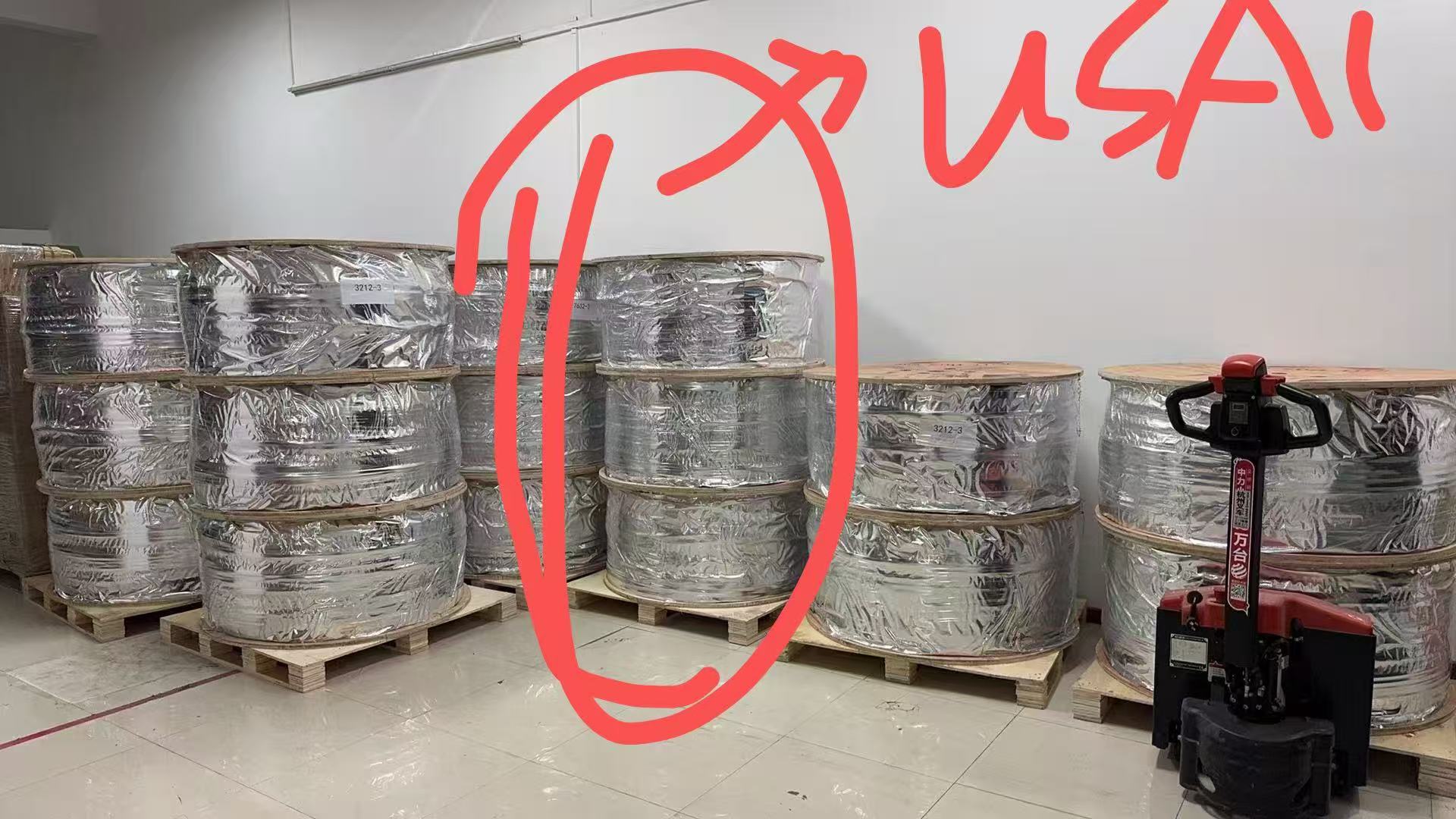
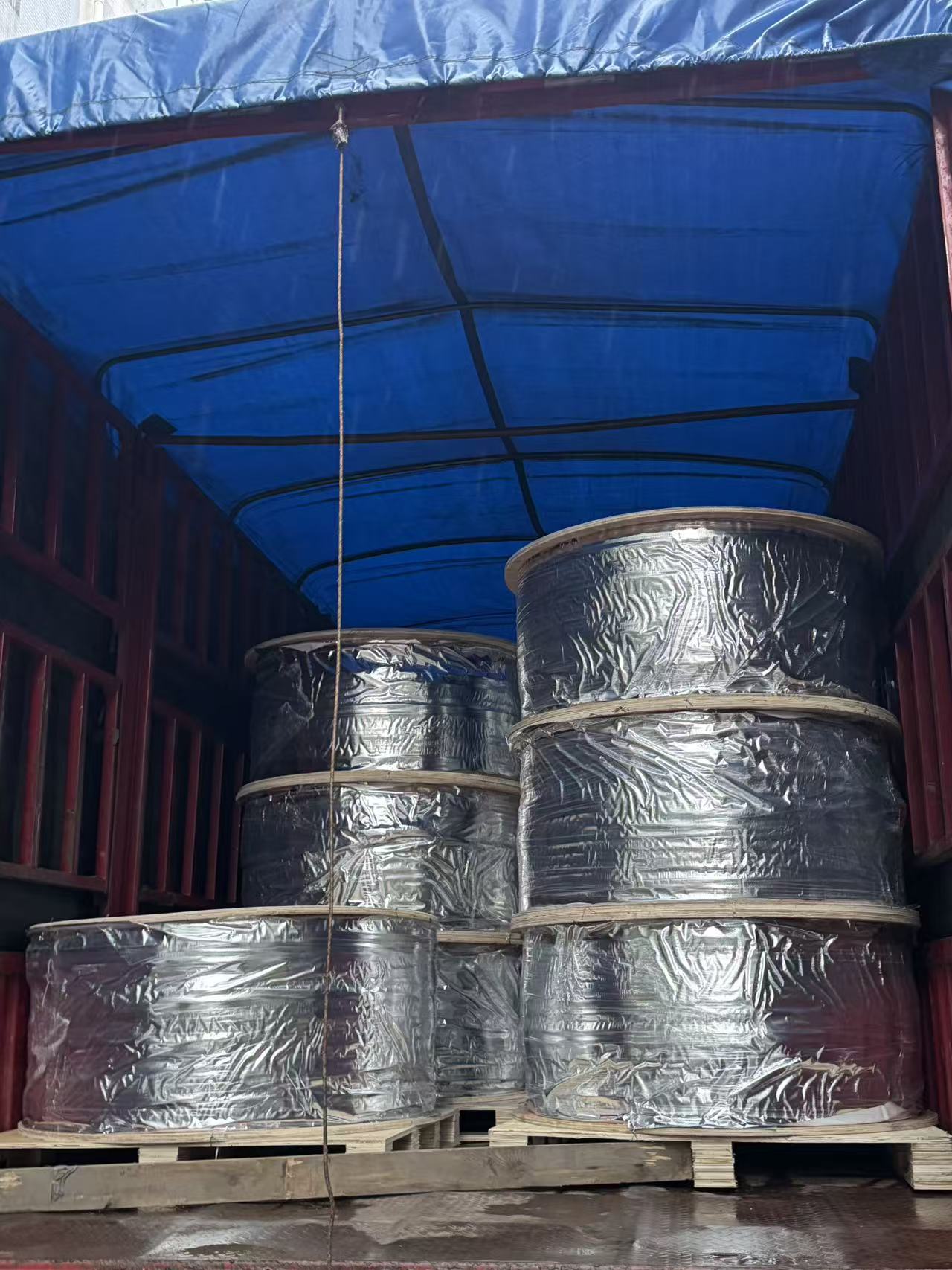
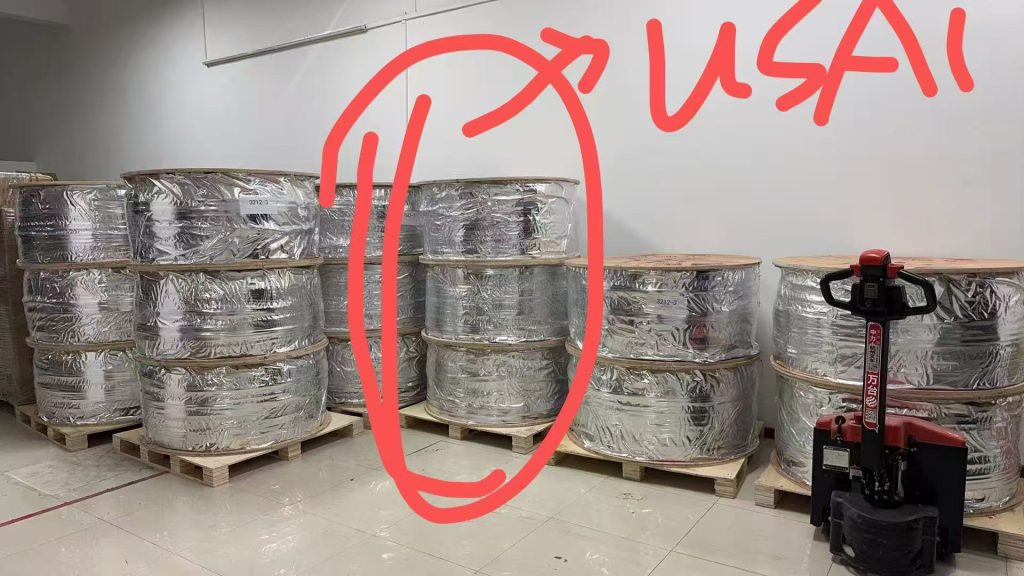
- Export-ready logistics support
We understand that sourcing managers need predictability, not surprises.
Customization Options for Your Projects
Every project is different. We offer customization to match your exact requirements.
Available Customizations
- Diameter (e.g., 2-inch, 3-inch, 4-inch)
- Cell configuration (e.g., 3-cell, 4-cell)
- Color coding for identification
- Pre-installed pull tapes
- Custom branding (OEM options)
Customization ensures that the product fits seamlessly into your workflow and project specifications.
Free Sample Availability
We strongly recommend testing before committing to bulk orders.
Sample Options
- Standard configurations (e.g., 3-inch, 3-cell)
- Short-length samples for evaluation
What Your Team Can Evaluate
- Installation ease
- Compatibility with existing ducts
- Cable pulling performance
- Material quality and durability
How to Request a Sample
Simply provide:
- Company name and contact details
- Required specifications
- Delivery address in the Atlanta area
We will arrange shipment promptly so your team can evaluate in real project conditions.
Choosing the Right Supplier
Not all fabric innerduct suppliers offer the same level of reliability and support.
Key Factors to Consider
- Product quality consistency
- Customization capability
- Lead time reliability
- Communication responsiveness
- Experience with international projects
A strong supplier relationship can significantly reduce project risk.
Final Thoughts for Atlanta-Based Sourcing Managers
Atlanta’s infrastructure growth is not slowing down. Whether you are working on commercial developments, telecom upgrades, or data center builds, the need for efficient, scalable cable management solutions is only increasing.
Fabric innerduct is not just a product—it’s a practical solution to modern installation challenges:
- Faster installs
- Lower labor costs
- Better cable organization
- Future-ready infrastructure
For sourcing managers, adopting fabric innerduct can directly improve project efficiency and long-term value.
Get Started
If you are planning a project in Atlanta and evaluating fabric innerduct solutions, we’re ready to support you.
Reach out to us for:
- Product recommendations
- Custom specifications
- Pricing details
- Free samples
Or, if you have any questions about our products or capabilities, we welcome your inquiry.