In the fast-paced world of industrial electrical contracting—spanning construction, maintenance, and system integration—the “hidden” infrastructure often dictates the success of a project. As a Project Support Associate, you are the bridge between design and execution. You know that one of the most persistent “silent killers” of a project’s timeline and budget is conduit congestion.
When an industrial facility or data center needs a fiber upgrade, but the existing 2-inch or 4-inch conduits are already occupied by legacy cables, the traditional response is “dig a new trench” or “core-drill a new hole.” Both are expensive, time-consuming, and often physically impossible in crowded industrial environments.
Today, we are introducing a transformative alternative: Fabric Innerduct. This isn’t just a different material; it is a strategic tool that allows you to maximize existing infrastructure and win more bids by offering smarter, faster solutions.
What is Fabric Innerduct?
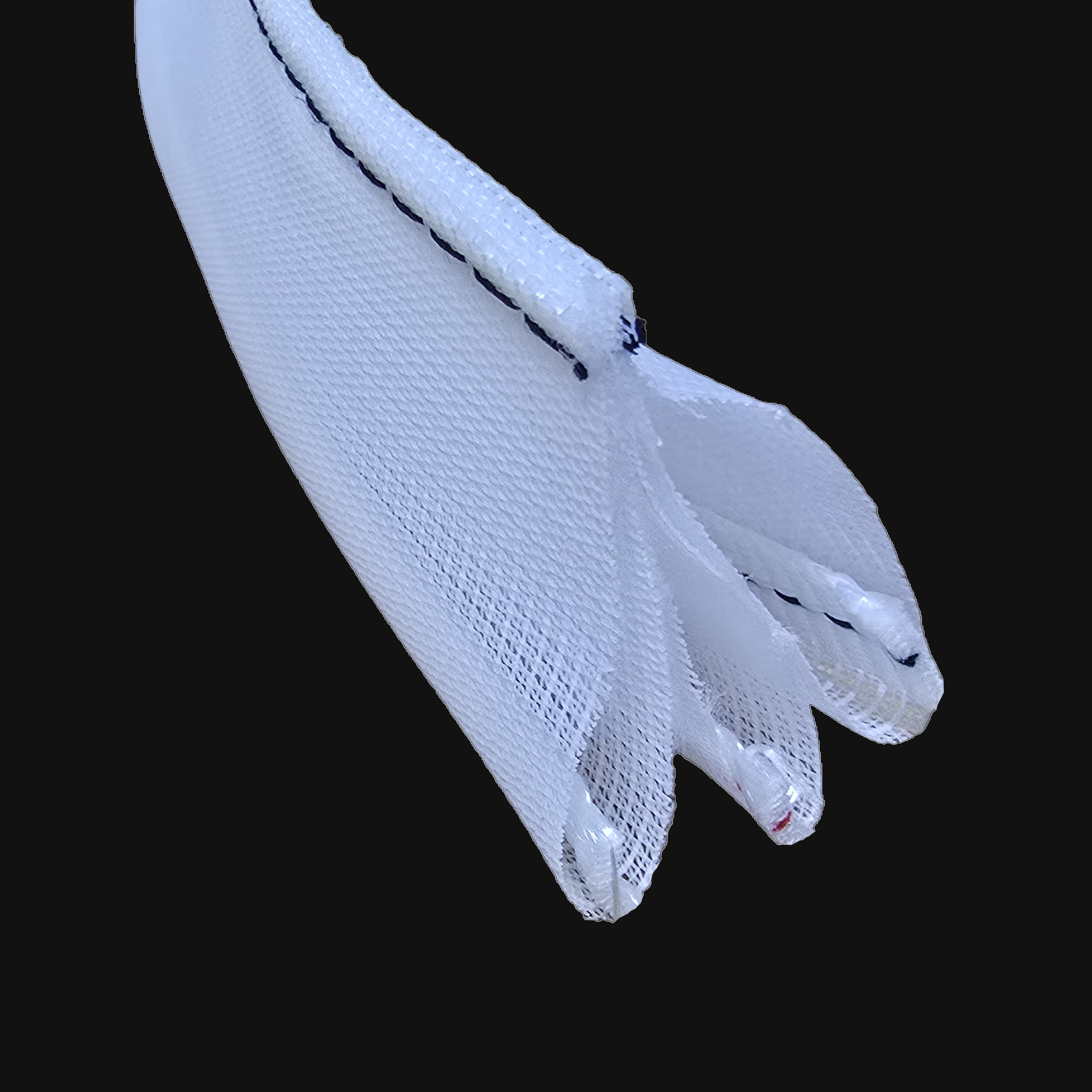
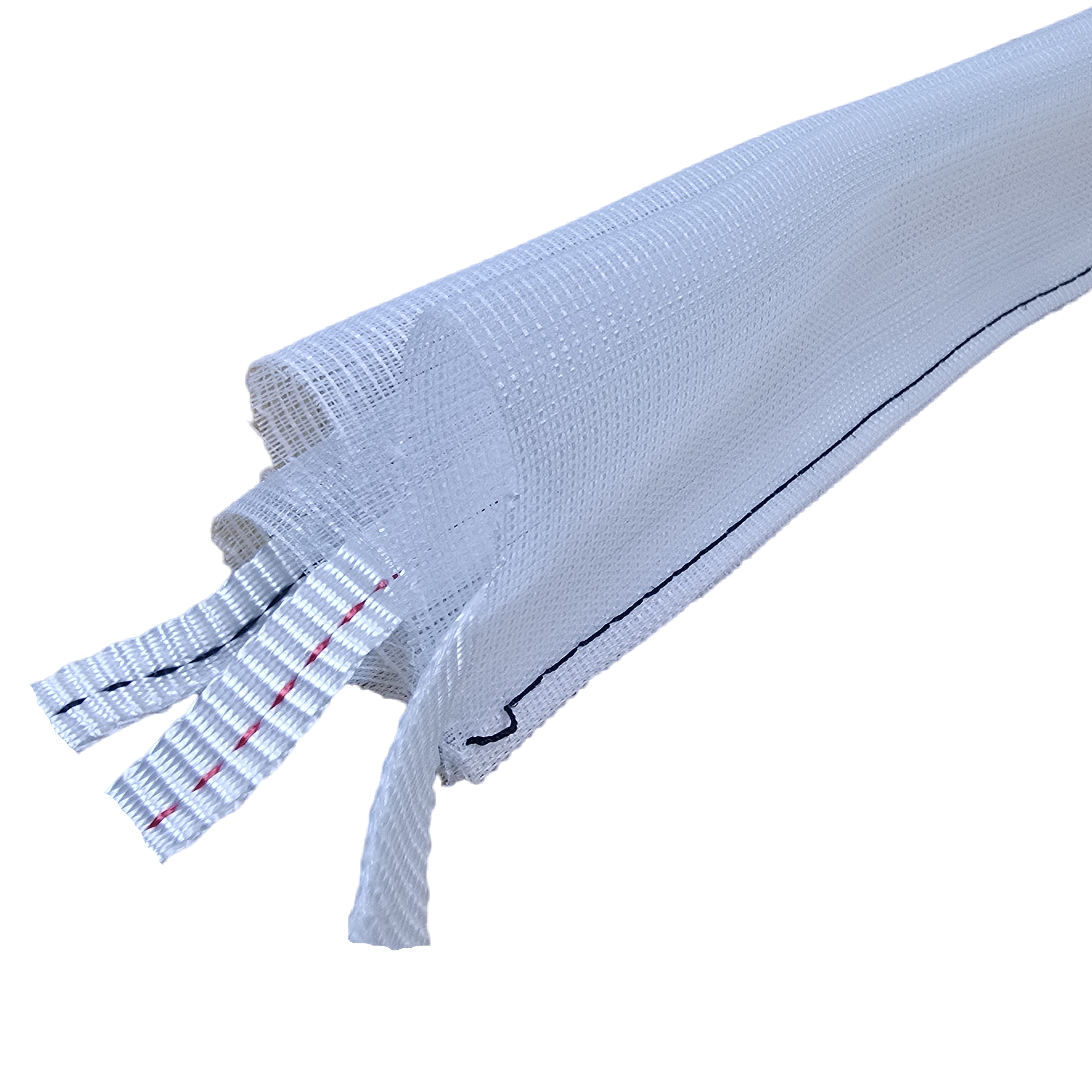
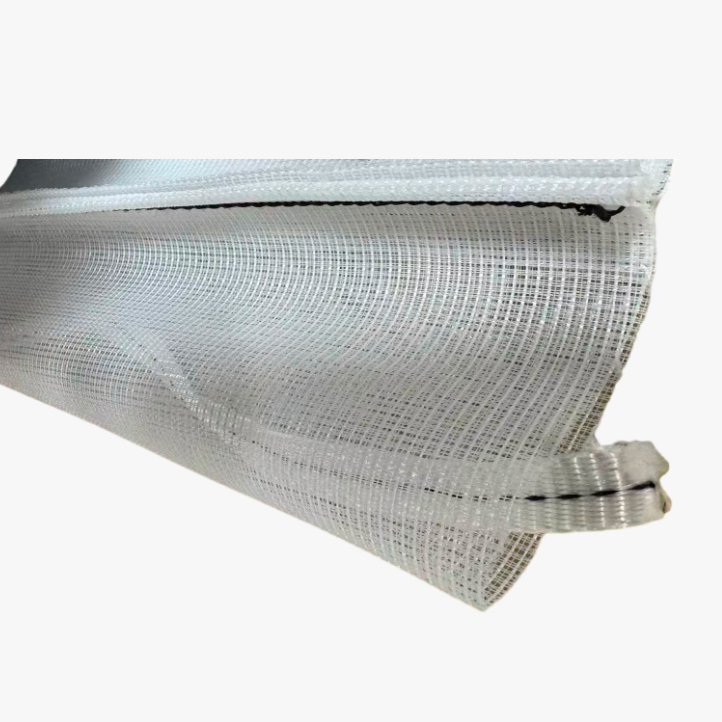
Traditional innerduct is a rigid, round HDPE (High-Density Polyethylene) pipe placed inside a larger conduit to create separate chambers. Fabric Innerduct replaces that rigid plastic with a flexible, high-tenacity, multi-celled textile sleeve.
Because it is made of low-friction polyester and nylon yarns, it doesn’t take up fixed space. It conforms to the shape of the cables placed inside it. This allows you to pull significantly more fiber—sometimes up to 300% more—into the same conduit footprint compared to rigid alternatives.
Why Industrial Contractors are Switching: The Value Proposition
For a Project Support Associate, the “why” usually boils down to three factors: Cost, Time, and Risk.
1. Reclaiming Stranded Capacity (The “Overlay” Advantage)
The most common problem in electrical maintenance is a “full” conduit. A 2-inch SDR13 conduit with a single 0.8-inch cable is technically 40% full, but you cannot fit a second rigid pipe inside it. Fabric Innerduct can be installed over an existing cable (an “overlay”). It slides into the irregular gaps, turning one crowded pipe into two or three fresh, organized pathways.
2. Reduced Labor and Material Handling
Rigid HDPE innerduct comes on massive, heavy reels that require specialized trailers and multiple crew members to manage. Fabric innerduct is lightweight and compact. A single small box can hold 500 feet of 3-cell fabric, which can be carried by one person. This reduces shipping costs and on-site labor hours.
3. Lower Pull Tension
High-speed data cables are fragile. Pulling them through rigid PVC creates friction and heat. Fabric innerducts feature integrated pull tapes and a lubricated textile surface that reduces pulling tension by over 50%, ensuring the integrity of the fiber and reducing the risk of “burn-through” on the cable jacket.
How to Select the Right Specification
As a Project Support Associate, you are often responsible for the “Submittal” process—ensuring the materials ordered match the project’s physical and regulatory requirements. Selecting the right fabric innerduct requires looking at three variables: Conduit Size, Cell Count, and Application Environment.
Step 1: Match the Conduit Diameter
Fabric innerduct is categorized by the size of the outer conduit it will inhabit.
- 2-inch Fabric Innerduct: Ideal for smaller industrial runs and risers.
- 3-inch Fabric Innerduct: Common in campus environments.
- 4-inch Fabric Innerduct: The standard for high-density data center backbones.
Step 2: Determine Cell Count
How many cables do you need to pull now—and how many in five years?
- 1-Cell: Best for protecting a single large-diameter trunk cable.
- 2-Cell: Perfect for 2-inch conduits where space is tight but expansion is likely.
- 3-Cell: The “Gold Standard” for 4-inch conduits, providing three dedicated, independent lanes for growth.
Step 3: Identify the Environment (Safety Ratings)
This is the most critical step for compliance in electrical construction:
- Outside Plant (OSP): Designed for underground burial and UV resistance.
- Riser Rated: Designed for vertical shafts between floors. These must meet specific fire-safety standards to prevent smoke travel.
- Plenum Rated: Required for air-handling spaces (above drop ceilings or under raised floors). These have the highest fire-resistance ratings.
Comparative Selection Table for Project Planning
| Project Scenario | Conduit Condition | Recommended Fabric Solution |
|---|---|---|
| Data Center Expansion | Existing 4″ conduit with 1 cable | 4″ 3-Cell Fabric Innerduct (Max expansion) |
| Industrial Maintenance | 2″ conduit, already 50% full | 2″ 2-Cell Fabric Innerduct (Overlay capable) |
| New Construction (Vertical) | Empty Riser Shaft | 3″ 3-Cell Riser-Rated Fabric |
| Campus/Underground | Long-haul HDPE conduit | Standard OSP Fabric Innerduct |
Addressing the Most Concerned Problems
When you present this to your Project Manager or the end-customer, they will likely ask these four questions:
Q1: “Is it as strong as rigid pipe?”
Yes. While it is flexible, the textile has a high tensile strength. It won’t crush under the weight of the cables, and because it is flexible, it actually handles ground shifts and seismic activity better than rigid PVC, which can crack.
Q2: “Can we install it over existing cables?”
Absolutely. This is the “secret weapon” of fabric innerduct. By using a ball-bearing swivel and proper lubrication, you can install the fabric over live cables without interrupting service.
Q3: “What about the ‘Corkscrew’ effect?”
In a single open conduit, multiple cables eventually twist around each other, making them impossible to remove. Because fabric innerduct places each cable in its own dedicated textile cell, they stay perfectly parallel and separate.
Q4: “Is it more expensive?”
The material cost per foot may be higher than basic PVC, but the Total Installed Cost is much lower. When you factor in the saved labor, the lack of new trenching, and the ability to triple your capacity in the same footprint, the ROI is undeniable.
Conclusion: Lead with Innovation
For a Project Support Associate, being the person who suggests a “space-saving, labor-reducing” solution makes you an invaluable asset to the team. Fabric innerduct is no longer a niche product; it is the new standard for modern, high-density fiber integration.
By choosing fabric over rigid, you aren’t just buying a pathway—you are buying flexibility. You are ensuring that when the client needs more bandwidth next year, your company is the one that can provide it without digging up the parking lot.
How to Move Forward?
To provide a tailored ROI comparison for your current project, we recommend starting with a Conduit Fill Audit.
What are the diameters of your most congested conduits on-site, and what is the O.D. (Outside Diameter) of the fiber cables you need to install? With these two numbers, we can provide a specific cell-count recommendation and a 10-year growth plan for your client.