As a project manager or sourcing manager overseeing construction projects, you know the importance of ensuring that your infrastructure projects are cost-efficient, durable, and meet all technical specifications.
When it comes to underground cabling, one of the most crucial aspects of your project will be selecting the appropriate conduit to protect your cables while maintaining flexibility for future expansions. This is where fabric innerducts come in—an essential product that can streamline your installation process, improve overall safety, and help you future-proof your cabling systems.
For years, MaxCell products have been known for offering a flexible, durable, and easy-to-install solution for managing cables in underground networks. But now, there are other fabric innerduct options available that offer similar benefits and can be just as effective. In this blog post, we’ll discuss the advantages of using non-detectable and detectable fabric innerducts for your projects and how they can help you meet your goals, optimize cost-efficiency, and ensure long-term success in cable management.
What is Fabric Innerduct?
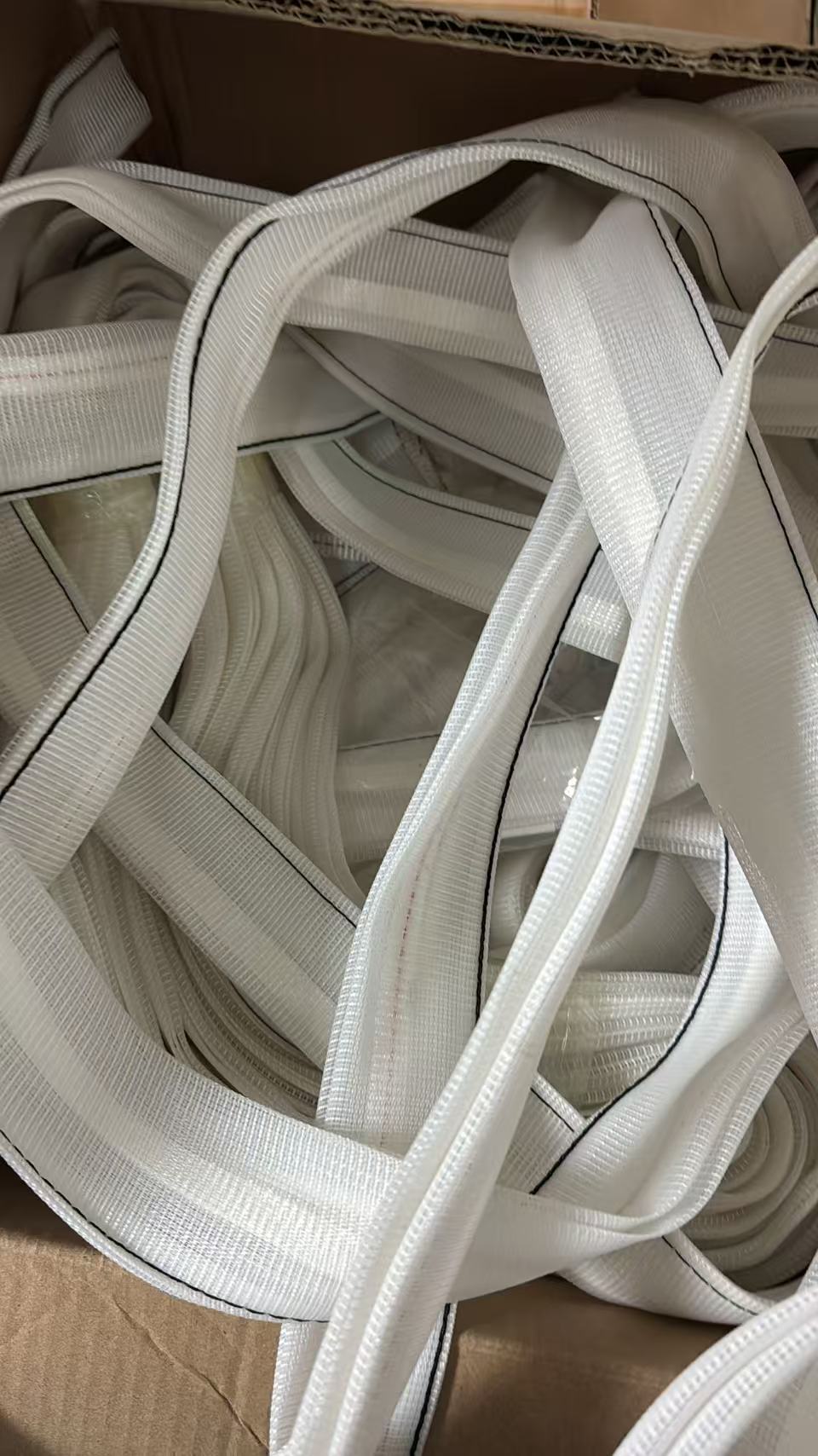
Fabric innerduct is a high-performance conduit designed to protect and organize cables within an underground network. Unlike traditional rigid plastic pipes, fabric innerducts are flexible, lightweight, and designed for easy installation. They’re typically made from high-strength, abrasion-resistant fabrics and are used for organizing and separating cables, preventing them from becoming tangled or damaged during installation or use.
In addition to providing physical protection to cables, fabric innerducts also enable easier future-proofing for your cabling systems. By using fabric innerducts, you can easily add, move, or replace cables in the future with minimal effort, making them an excellent investment for long-term infrastructure development.
The Advantages of Fabric Innerduct for Construction Projects
- Flexibility and Easy Installation
One of the biggest advantages of fabric innerducts is their flexibility. Traditional conduits like PVC or metal pipes can be difficult to work with due to their rigidity, especially when it comes to navigating curves or tight spaces. Fabric innerducts, on the other hand, can be bent and twisted easily, making them ideal for installations that require routing through challenging or intricate pathways. This flexibility also significantly reduces the need for costly fittings, making installation quicker and more cost-effective. - Reduced Labor Costs and Time
Fabric innerducts are significantly easier to install compared to traditional conduits. Their lightweight nature means that less manpower is required for transportation and handling, and the simplified installation process helps minimize labor costs and time spent on the job site. In fact, many projects that use fabric innerducts experience faster deployment and fewer work delays due to its ease of use. - Durability and Long-Term Protection
Fabric innerducts are designed to be incredibly durable. They are resistant to abrasion, which ensures that they won’t be easily damaged by rough terrain or other environmental factors. This makes them ideal for use in construction projects where harsh conditions or heavy-duty applications are involved. Moreover, fabric innerducts are often UV-resistant, making them suitable for both underground and above-ground use. - Future-Proofing for Cabling Networks
As your projects evolve, you will likely need to upgrade or add additional cabling. Fabric innerducts allow for easy modifications and upgrades to your cable network in the future. Whether you’re adding more fiber-optic cables or changing the cable types, fabric innerducts can easily accommodate these adjustments without requiring major rerouting or tearing up existing installations.
Non-Detectable vs. Detectable Fabric Innerducts
When it comes to selecting the right fabric innerduct for your project, it’s essential to understand the differences between non-detectable and detectable innerducts. Both have their unique applications, and the choice you make depends largely on your project’s needs.
Non-Detectable Fabric Innerducts
Non-detectable fabric innerducts are designed for use in areas where there is no need for future detection or location identification. These types of innerducts are lightweight, cost-effective, and easy to install. They do not contain metallic or electronic components, meaning they cannot be detected by traditional cable location devices. However, they still offer all the benefits of fabric innerducts, such as flexibility, durability, and ease of installation.
Non-detectable fabric innerducts are commonly used in low-risk areas where future detection isn’t a critical requirement. In many cases, they are used for telecommunications networks, industrial installations, and projects where routine cable location isn’t necessary.
Detectable Fabric Innerducts
Detectable fabric innerducts, on the other hand, are embedded with a metal tracer wire or other detection systems that allow them to be located and traced even after installation. This feature makes them ideal for projects where future cable identification and troubleshooting will be necessary. The detectability feature is particularly valuable in areas where construction and excavation work is frequent or where the network may need to be relocated or expanded in the future.
By using detectable innerducts, project managers and maintenance teams can quickly locate cables without having to dig up the entire network. This leads to fewer disruptions, quicker repairs, and lower costs in the long run. Detectable fabric innerducts are commonly used for critical infrastructure projects, fiber-optic installations, and high-value networks where accurate location tracking is important.
Key Benefits of Detectable Fabric Innerducts
- Easy Detection and Location: The tracer wire or detection system embedded in the innerduct allows for accurate cable detection, reducing the time and cost of future excavations.
- Risk Mitigation: In case of accidental digging or damage during construction or repairs, detectable innerducts help identify the cable route to avoid costly mistakes and unnecessary downtime.
- Reduced Labor Costs: Because the location of cables can be easily pinpointed, repair and maintenance efforts can be performed more efficiently, saving both time and money.
Which Option Is Right for Your Project?
When deciding between non-detectable and detectable fabric innerducts, consider the following factors:
- Project Scope: If your project involves extensive or critical infrastructure where cable location will be vital, detectable fabric innerducts should be your go-to option.
- Future Expansion: If you anticipate future expansions, repairs, or adjustments, a detectable system can save you money in the long run by making future work more efficient.
- Budget: Non-detectable fabric innerducts are a cost-effective solution when detection is not a priority. They still offer flexibility, durability, and ease of installation.
Conclusion: Why Choose Fabric Innerducts for Your Project?
Fabric innerducts—whether non-detectable or detectable—offer unmatched benefits for modern construction projects. By integrating these versatile conduits into your plans, you can streamline installations, reduce labor costs, and create a long-lasting and future-proof cable management system.
As a sourcing manager or project manager, partnering with a trusted supplier who offers these high-quality fabric innerducts ensures that your projects stay on time and within budget. With similar products to MaxCell in the market, you now have access to a range of options tailored to your needs, whether you require non-detectable or detectable solutions.
By considering fabric innerducts for your next project, you’ll not only enhance your current infrastructure but also future-proof your network, making future upgrades and maintenance as seamless as possible.
Are you ready to upgrade your project’s cable management system? Let us help you choose the right fabric innerduct for your needs today!