In the world of fiber optic deployment, the path you choose is just as important as the cable itself. When designing a data center or an ISP backbone, engineers often grapple with two primary options: Conduit and Innerduct.
While these terms are sometimes used interchangeably, they represent very different strategies for cable management. Choosing the wrong one can lead to “stranded capacity,” increased labor costs, and a nightmare for future upgrades. This guide provides a deep comparison to help you choose the right solution for your specific project.
1. Defining the Players: Conduit vs. Innerduct
What is a Conduit?
A Conduit is the outer protective shell—the “highway.” Typically made of PVC, HDPE (High-Density Polyethylene), or galvanized steel, it is a rigid or semi-rigid pipe designed to protect cables from external physical damage, moisture, and environmental hazards. It is the primary structural layer of your cable pathway.
What is an Innerduct?
An Innerduct is a “sub-conduit” that is placed inside a larger conduit. Think of it as creating multiple dedicated lanes on your highway. It allows a single large pipe to be subdivided into smaller, manageable channels, preventing cables from tangling and making it easier to pull new fiber in the future.
2. Deep Comparison: At a Glance
| Feature | Rigid Conduit (PVC/HDPE) | Traditional Rigid Innerduct | New Choice: Fabric Innerduct |
|---|---|---|---|
| Primary Role | Outer structural protection | Sub-dividing existing pipes | Maximizing space & density |
| Space Efficiency | Low (Single chamber) | Moderate (Round-in-round) | Ultra-High (Conforms to cable) |
| Ease of Pulling | Hard (High friction) | Moderate | Easiest (Lubricated textile) |
| Future Scalability | Requires new trenching/drilling | Limited by pipe diameter | Highly Scalable (Up to 3x capacity) |
| Total Cost | High (Labor & Materials) | Medium | Lowest (Total Cost of Ownership) |
3. The 4 Most Concerned Problems in Selection
When choosing between these options, project managers typically focus on four critical pain points:
A. The “Stranded Space” Problem
Traditional rigid innerducts are round. When you place multiple round innerducts inside a round conduit, you create massive gaps of wasted space (the “dead space” between circles).
- The Problem: You might find your 4-inch conduit is “full” after only three 1.25-inch innerducts are installed, leaving nearly 40% of the pipe empty but unusable.
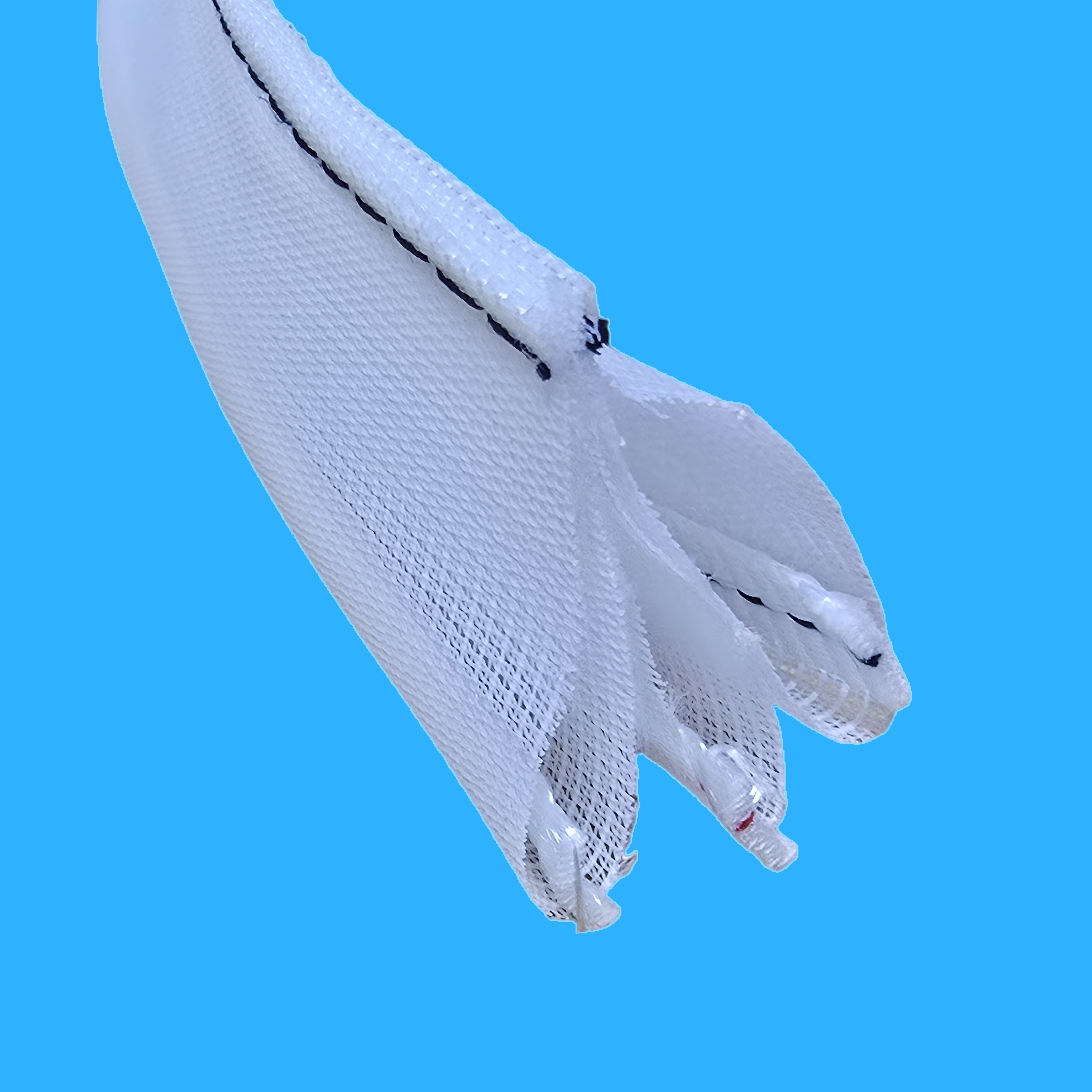
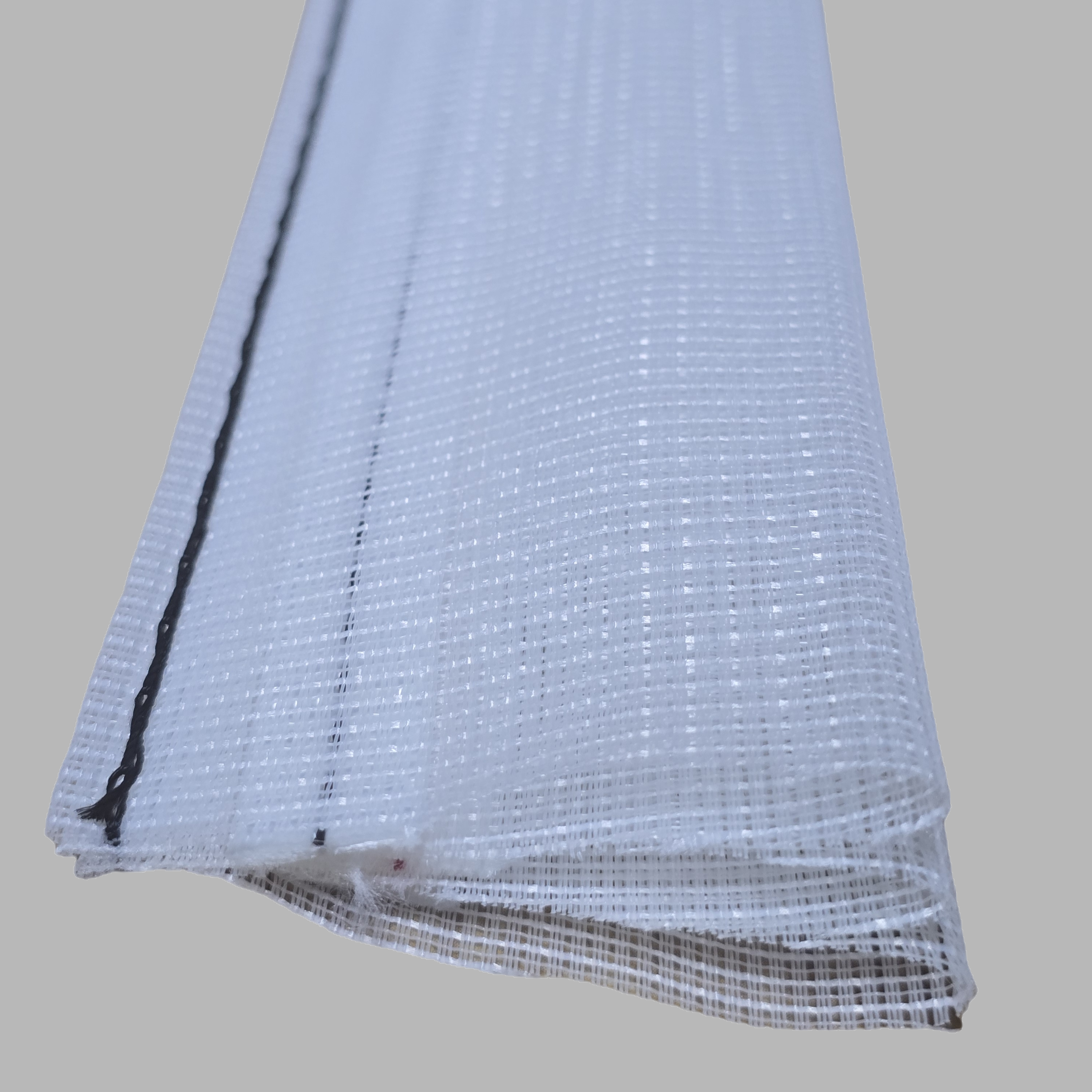
- The Solution: Fabric Innerduct eliminates this. Because it is flexible, it collapses when empty and expands to the exact size of the cable when in use, allowing you to fit up to three times more cables in the same conduit.
B. Pull Tension and Cable Damage
The longer the run, the higher the friction. Pulling fiber through a standard PVC conduit or a plastic innerduct creates heat and tension.
- The Problem: High tension can stretch the glass fibers, causing micro-fractures that degrade signal quality (attenuation).
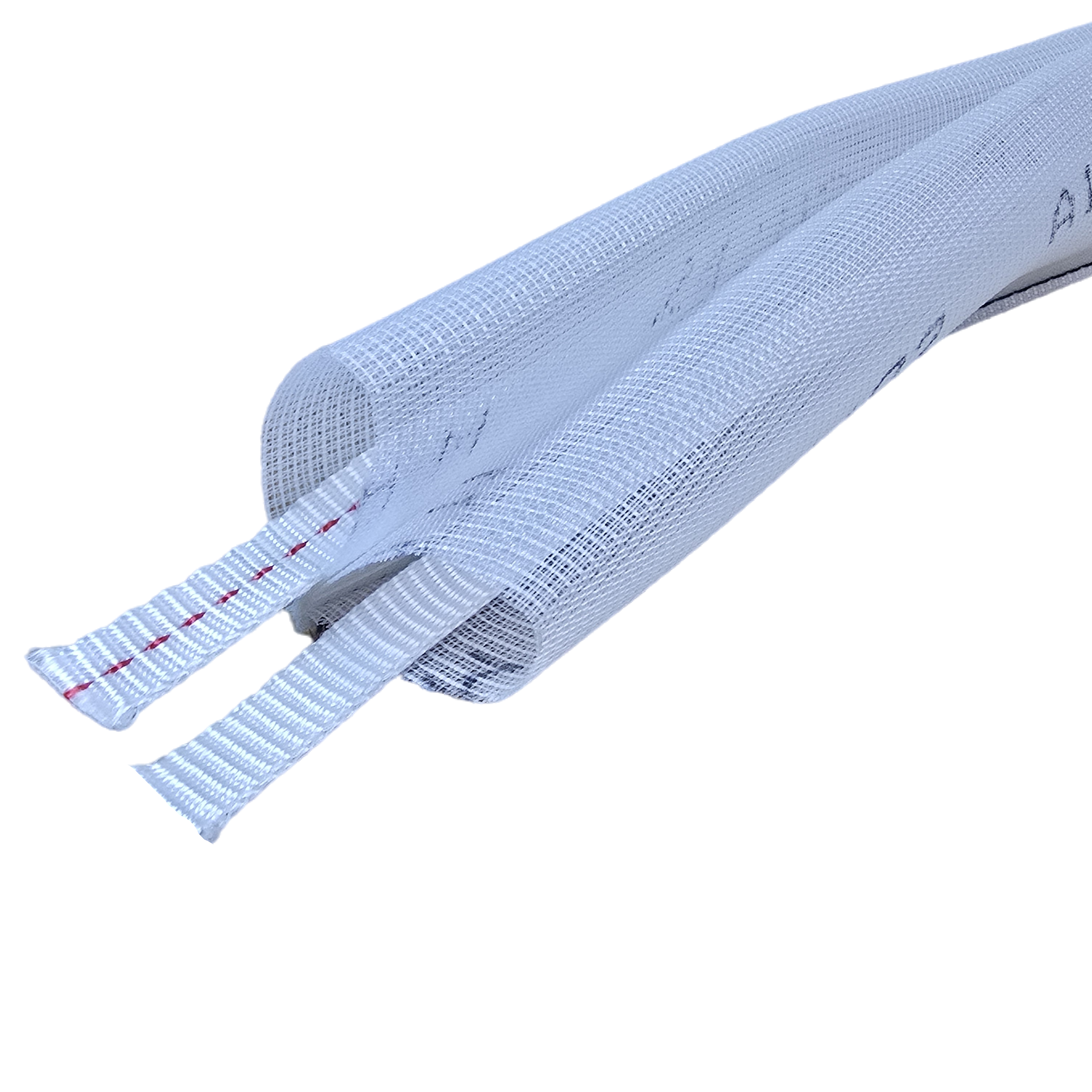
- The Solution: Modern fabric innerducts feature integrated pull tapes and are made of low-friction monofilament yarns, reducing pulling tension by more than 50% compared to HDPE.
C. The “Cables Wrapping” Nightmare
If you pull multiple cables into a single conduit without internal separation, they will eventually “corkscrew” around each other.
- The Problem: If you need to replace or remove one cable in a tangled bundle, you risk damaging the “live” cables next to it.
- The Solution: Using Innerduct (specifically multi-celled fabric versions) ensures each cable has its own dedicated “lane.” You can pull or remove a cable in Cell A without ever touching the cable in Cell B.
D. Total Construction Costs
Traditional conduit expansion requires “core drilling” through concrete floors or “trenching” through soil.
- The Problem: The cost of the pipe is cheap; the cost of the labor and the machinery to install it is astronomical.
- The Solution: By pulling fabric innerduct through existing conduits that are “theoretically full,” you reclaim space without any new construction. This often saves 60-80% on total project costs.